







What's Happening?
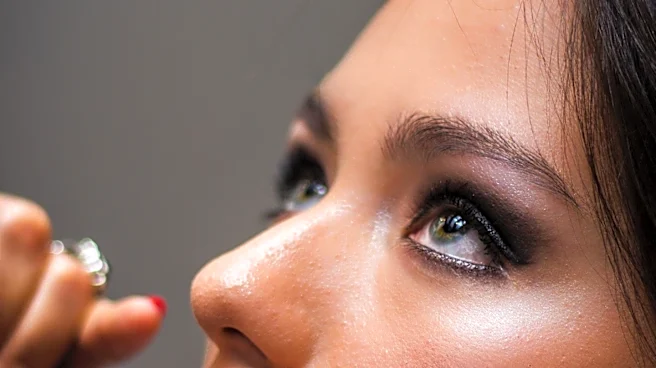
In California, beauty services such as peels, lash services, and scalp treatments are commonly booked, often as casually as haircuts. However, these services can sometimes lead to adverse reactions like burning, swelling, or prolonged irritation. The
gap between the perceived simplicity of these services and the actual care required can result in unexpected outcomes. Common issues include chemical burns, allergic reactions to lash or brow products, and infections from unsanitary tools. The importance of patch tests and consultations is emphasized to prevent such reactions, although they are often skipped due to time constraints. Aftercare is crucial, as improper handling can exacerbate skin irritation. The rise in cosmetic procedures, which increased by 5% in 2023, highlights the need for better tools to assess the risks and reputations of these treatments.
Why It's Important?
The increasing demand for beauty treatments in California underscores the need for consumer awareness and safety measures. Adverse reactions not only affect individuals' health but can also lead to legal implications, as beauty salon injury lawyers become relevant in cases of severe reactions. The lack of adequate risk assessment tools poses a challenge for consumers seeking safe beauty services. This situation highlights the importance of informed decision-making and the potential need for regulatory oversight to ensure consumer safety. The beauty industry must balance the demand for quick services with the necessity of thorough consultations and patch tests to prevent harm.
What's Next?
As the demand for beauty treatments continues to grow, there may be increased calls for regulatory measures to ensure consumer safety. Beauty salons might need to implement stricter protocols for consultations and patch tests to prevent adverse reactions. Consumers are likely to become more cautious and informed about the potential risks associated with beauty services. Legal professionals specializing in beauty salon injuries may see an increase in cases as individuals seek compensation for severe reactions. The industry could also see a push for better education and training for beauty professionals to minimize risks.