




What's Happening?
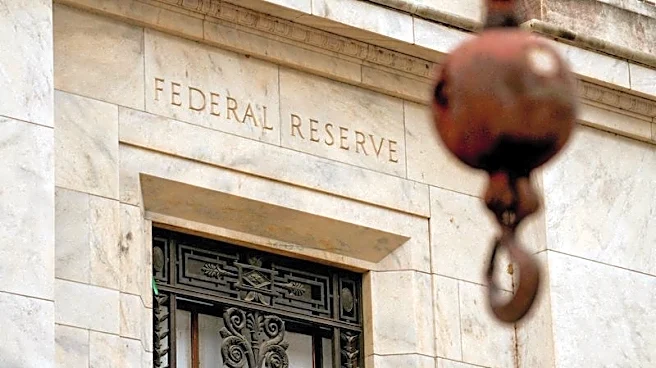
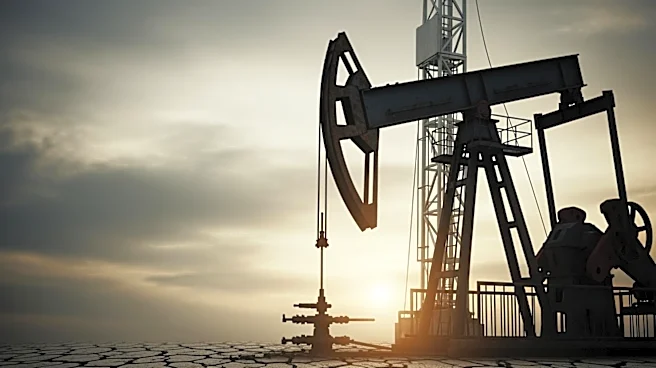
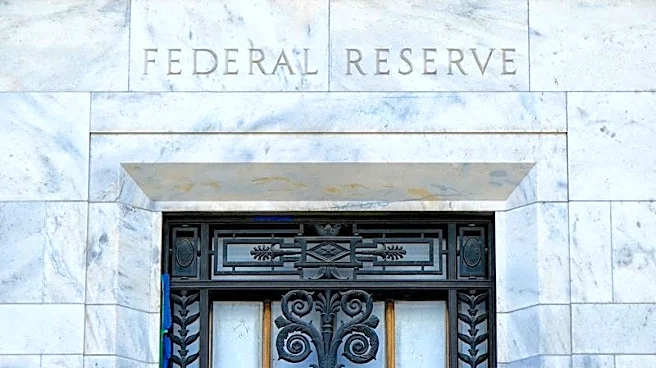
Dallas Federal Reserve President Lorie Logan has stated that U.S. oil producers are unlikely to increase output in the near term to mitigate rising gasoline prices. During a conference at her regional Fed bank, Logan noted that the price point at which
U.S. producers would consider ramping up drilling is just below $70 per barrel, significantly lower than the current price of approximately $110 per barrel. This price disparity suggests that producers are hesitant to invest in increased production without assurance that high prices will persist. Logan's comments come amid concerns that energy price hikes, exacerbated by the U.S.-Israeli conflict with Iran, will continue to impact inflation and economic activity. Despite the U.S. having certain economic buffers, Logan emphasized the importance of restoring price stability to support a strong economy.
Why It's Important?
The reluctance of U.S. oil producers to increase output has significant implications for inflation and economic stability. With energy prices contributing to inflationary pressures, the Federal Reserve faces challenges in balancing its dual mandate of controlling inflation and promoting job growth. The ongoing conflict in the Middle East adds to the uncertainty, potentially leading to prolonged inflationary effects. This situation complicates the Fed's monetary policy decisions, as it must consider the broader economic impact of sustained high energy prices. The Fed's cautious approach, as indicated by Logan, reflects the complexity of managing economic growth amid geopolitical tensions and inflationary risks.
What's Next?
The Federal Reserve is likely to continue monitoring economic indicators closely, adjusting its policy stance as necessary. Logan's remarks suggest that the Fed is prepared to adapt its approach based on incoming data, maintaining flexibility in response to evolving economic conditions. The potential for prolonged conflict in the Middle East could further influence the Fed's decisions, particularly if inflationary pressures persist. Stakeholders, including policymakers and businesses, will be watching for any shifts in the Fed's strategy, as these could impact interest rates and broader economic stability.