





What's Happening?
Maryland has enacted a groundbreaking law prohibiting the use of surveillance pricing in grocery stores, becoming the first state in the U.S. to do so. This legislation, signed by Governor Wes Moore, prevents grocers and third-party delivery services
from using personal data to set higher prices for consumers. Surveillance pricing involves adjusting product costs based on consumer data such as location, internet search history, and demographics, leading to different prices for the same items. Critics argue that this practice allows businesses to charge consumers the maximum they are willing to pay. While the law targets grocery stores, the Federal Trade Commission has noted similar practices in other retail sectors. Despite the law's intentions, some consumer advocates express concerns over industry carveouts and weak enforcement provisions, which may undermine consumer protection.
Why It's Important?
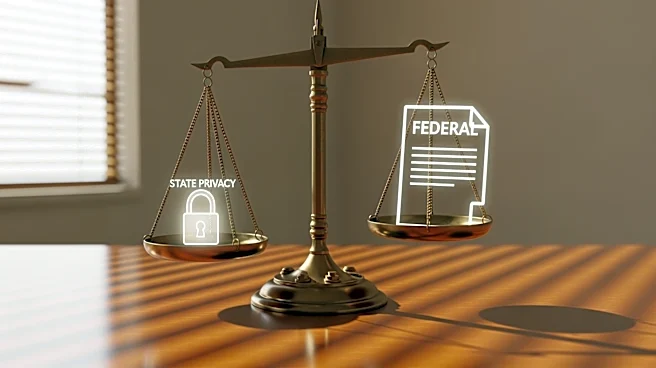
The Maryland law represents a significant step in consumer data protection, addressing concerns over privacy and fair pricing. By banning surveillance pricing, the state aims to ensure that consumers have equitable access to affordable food, a critical issue given the essential nature of groceries. The law could serve as a model for other states considering similar regulations, potentially leading to broader changes in how consumer data is used in pricing strategies. However, the presence of exemptions and limited enforcement mechanisms may limit the law's effectiveness, prompting calls for stronger consumer protections. The outcome of this legislation could influence future state and federal policies on data privacy and consumer rights.
What's Next?
As Maryland implements this new law, other states such as Colorado, California, Massachusetts, Illinois, and New Jersey are considering similar measures. The effectiveness of Maryland's approach will likely be scrutinized, influencing legislative efforts elsewhere. Consumer advocacy groups are expected to push for amendments to strengthen the law, addressing loopholes and enhancing enforcement. The Federal Trade Commission's ongoing investigation into surveillance pricing practices may also impact future regulatory actions at the federal level. Businesses and industry groups will likely monitor these developments closely, potentially adjusting their pricing strategies in response to new regulations.