



What's Happening?
Saudi Aramco, the state oil company of Saudi Arabia, has reported a 26% increase in profits for the first quarter of the year, reaching $33.6 billion. This surge in profits comes despite ongoing conflicts in the Middle East, which have affected oil exports
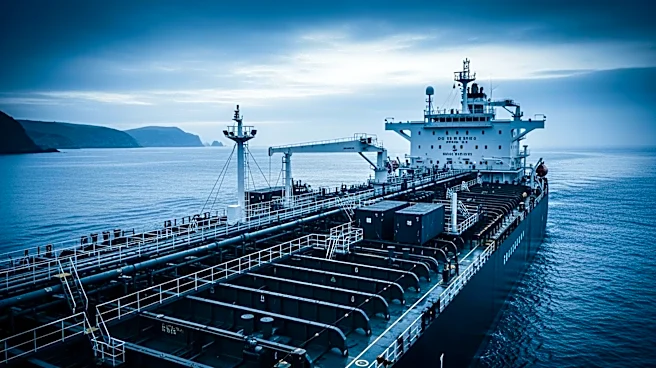
through Gulf ports. The company's east-west pipeline, which has reached its maximum capacity of 7 million barrels per day, has been instrumental in maintaining oil shipments from the east coast to the Red Sea port of Yanbu. This pipeline has helped mitigate the impact of the closure of the Strait of Hormuz, a critical passage for global oil and gas supply, which has been effectively closed since the onset of the US-Iran conflict in February. The disruption has led to a significant increase in global energy prices, with Brent crude trading at about $100 a barrel.
Why It's Important?
The increase in Saudi Aramco's profits highlights the company's strategic importance in the global energy market, especially during geopolitical tensions. The closure of the Strait of Hormuz has underscored the vulnerability of global oil supply chains and the critical role of alternative routes like Aramco's east-west pipeline. The situation has also contributed to rising energy prices, affecting economies worldwide. For the U.S., this development emphasizes the need for energy security and diversification of energy sources. The reliance on Middle Eastern oil remains a significant factor in global economic stability, and disruptions can have far-reaching consequences for energy markets and consumer prices.
What's Next?
The ongoing conflict in the Middle East and the closure of the Strait of Hormuz are likely to continue impacting global oil markets. Saudi Aramco's ability to maintain its oil exports through alternative routes will be crucial in stabilizing supply. The U.S. and other countries may seek to engage in diplomatic efforts to reopen the strait and reduce tensions in the region. Additionally, there may be increased focus on developing domestic energy resources and alternative energy solutions to reduce dependency on Middle Eastern oil.