

What's Happening?
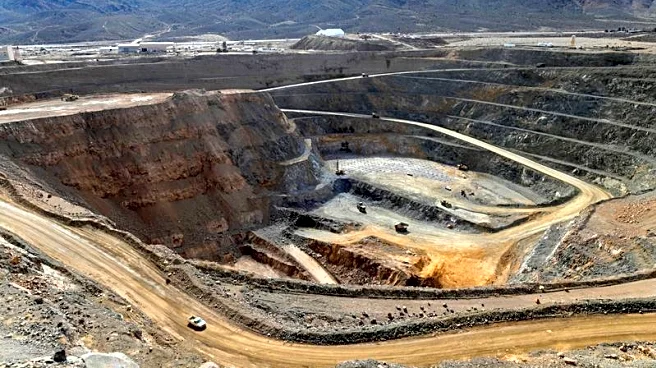
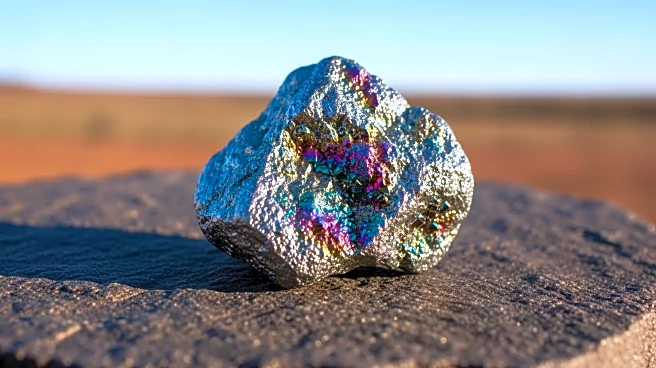
Tungsten prices have increased fivefold over the past year due to prolonged underinvestment and tightening Chinese export controls, leading to a potential global shortage. Ammonium paratungstate is now trading at approximately $1,775 per metric tonne
unit. The U.S. State Department recently hosted the 2026 Critical Minerals Ministerial, where representatives from 54 countries discussed accelerating domestic and allied critical minerals supply chains. Companies like GoldHaven Resources are advancing critical mineral projects in stable jurisdictions, with new appointments and financing to support exploration and development efforts.
Why It's Important?
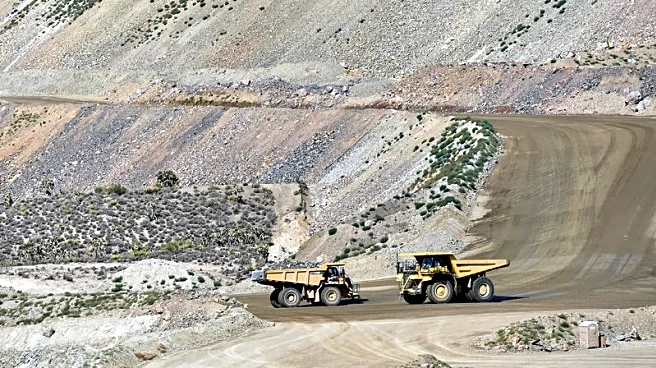
The surge in tungsten prices highlights the vulnerabilities in global supply chains for critical minerals, which are essential for various industrial applications, including electronics and defense. The reliance on Chinese exports has prompted Western countries to seek alternative sources and strengthen their domestic production capabilities. The U.S. government's involvement in facilitating international cooperation on critical minerals underscores the strategic importance of these resources for national security and economic stability. The developments in the tungsten market could lead to increased investment in mining and exploration activities in North America and other regions.
What's Next?
As Western countries continue to address the challenges posed by Chinese export controls, there may be increased collaboration and investment in critical mineral projects. The U.S. and its allies are likely to focus on building resilient supply chains and reducing dependency on a single supplier. Companies involved in critical mineral exploration and production may benefit from government support and funding initiatives aimed at securing a stable supply of these essential resources. The ongoing geopolitical dynamics and market conditions will play a significant role in shaping the future of the critical minerals industry.