





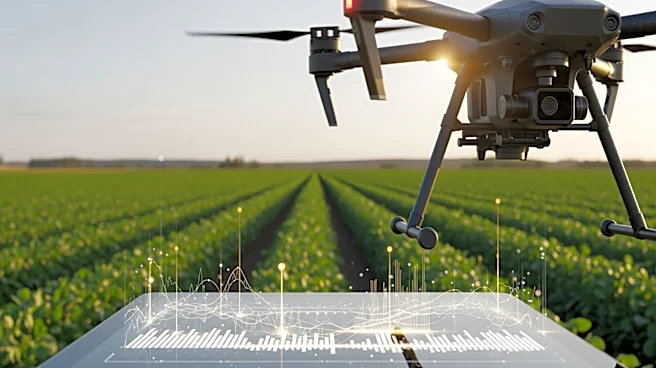

What's Happening?
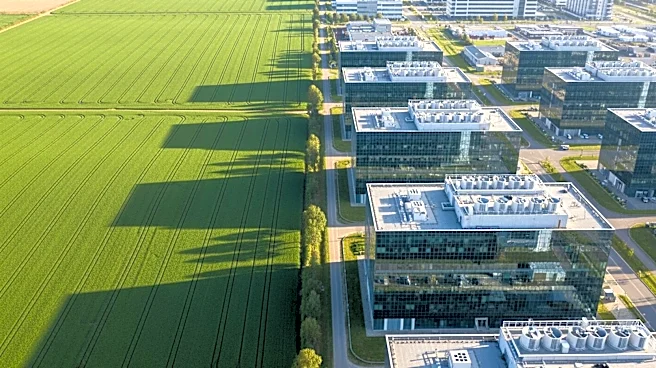
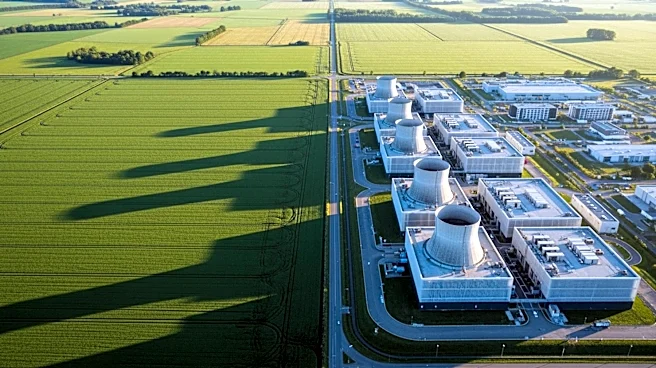
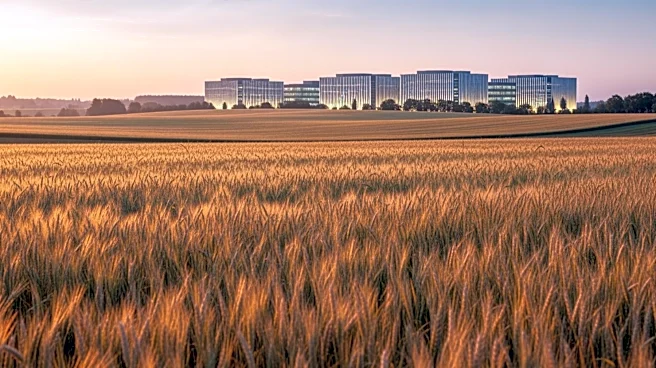
The Farm Bureau has released an article discussing the growing presence of data centers in rural areas and their impact on agriculture. As the demand for data centers increases due to advancements in artificial intelligence and cloud computing, these
facilities are being established in rural areas where land and infrastructure are available. While data centers bring economic benefits such as job creation and improved infrastructure, they also pose challenges by increasing competition for land, water, and energy resources. Farmland, a critical and limited resource, is often converted for industrial use, raising land prices and affecting local farmers. Additionally, data centers require significant electricity and water for cooling systems, which can strain local resources.
Why It's Important?
The expansion of data centers in rural areas has significant implications for the agricultural sector and rural economies. While they offer economic opportunities, the conversion of farmland for industrial use can lead to increased costs for farmers and affect land markets. The competition for resources such as water and energy can also impact agricultural operations. Moreover, the reliance of modern farming on digital tools and data infrastructure creates a shared interest between agriculture and data centers, highlighting the need for balanced development. The situation underscores the importance of strategic site selection and community engagement to ensure that both agriculture and data centers can coexist sustainably.
What's Next?
To address the challenges posed by the growth of data centers, stakeholders may need to develop clear local policies and engage with communities to balance the needs of agriculture and data center development. This could involve exploring new technologies to reduce resource consumption and implementing responsible management practices. Additionally, ongoing dialogue between agricultural and data center stakeholders will be crucial to finding solutions that support both sectors.