







What's Happening?
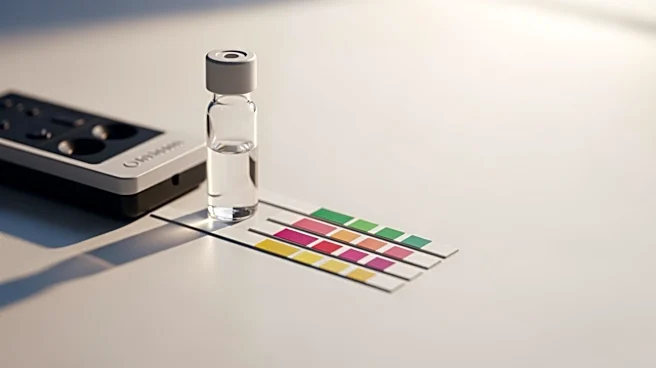
Consumer Reports has released its annual evaluation of sunscreen products, testing over 100 lotions and sprays to determine their effectiveness in protecting against ultraviolet rays. The testing process involved applying a controlled amount of sunscreen to small
skin areas and exposing them to UVB rays, which are known to cause sunburn and contribute to skin cancer. Additionally, the products were tested for UVA protection, which is linked to skin aging and cancer. The report highlights that many sunscreens did not meet the SPF levels advertised on their labels, although they still provide some level of protection. Coppertone Water Babies Lotion SPF 50 and Eucerin Advanced Hydration Spray SPF 50 were identified as top performers in their respective categories.
Why It's Important?
The findings from Consumer Reports are significant as they provide consumers with reliable information on which sunscreen products offer the best protection against harmful UV rays. This is crucial for public health, as effective sunscreen use can reduce the risk of skin cancer, a prevalent concern in the U.S. The report also emphasizes the importance of using broad-spectrum sunscreens with at least SPF 30 and reapplying them every two hours. By highlighting the discrepancies between advertised and actual SPF levels, the report encourages consumers to make informed choices, potentially influencing purchasing decisions and prompting manufacturers to improve product formulations.
What's Next?
As summer approaches, consumers are likely to increase their sunscreen purchases, guided by the insights from Consumer Reports. Manufacturers may respond to the report by reassessing their product formulations to ensure they meet advertised SPF levels. Additionally, there could be increased public awareness campaigns about the importance of proper sunscreen application and reapplication. Retailers might also adjust their marketing strategies to highlight top-rated products, potentially affecting sales dynamics in the sunscreen market.
Beyond the Headlines
The report underscores a broader issue of product labeling accuracy and consumer trust. As consumers become more aware of the discrepancies in SPF labeling, there may be a push for stricter regulations and testing standards in the sunscreen industry. This could lead to long-term changes in how sunscreens are formulated, tested, and marketed, ultimately benefiting public health by ensuring more reliable protection against UV radiation.