


What's Happening?
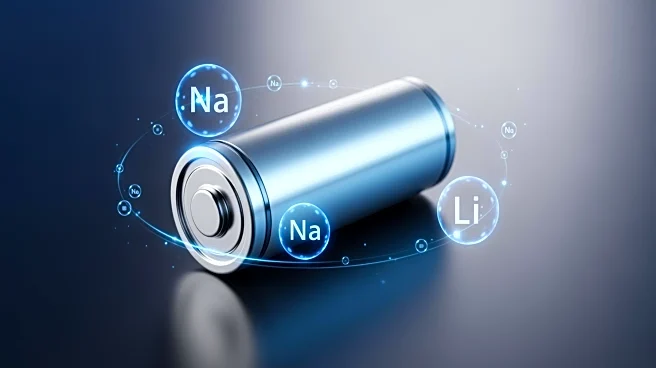
Researchers at the Tokyo University of Science have made significant advancements in sodium-ion battery technology, presenting a viable alternative to the widely used lithium-ion batteries. The breakthrough involves the use of hard carbon combined with aluminum oxide, which allows sodium ions to flow properly, overcoming previous challenges where sodium ions would get jammed in the porous material. This development is crucial as sodium-ion batteries are not only less costly but also safer, as they are less prone to catching fire compared to lithium-ion batteries. The research suggests that sodium-ion batteries could potentially replace lithium-ion batteries in various applications, including consumer electronics and electric vehicles, due to their
ability to charge faster and their safer nature.
Why It's Important?
The introduction of sodium-ion batteries could have a profound impact on the battery industry and related sectors. As lithium resources are finite and mining them poses environmental and safety risks, sodium-ion batteries offer a sustainable alternative. Sodium is abundant and can be extracted from seawater, making the supply chain more sustainable and less expensive. This could lead to reduced costs for manufacturers and consumers alike. Additionally, the enhanced safety profile of sodium-ion batteries could lead to broader acceptance and usage in areas where lithium-ion batteries are currently restricted, such as in-flight use of external chargers. This development could also drive innovation in electric vehicles, potentially leading to longer ranges and faster charging times.
What's Next?
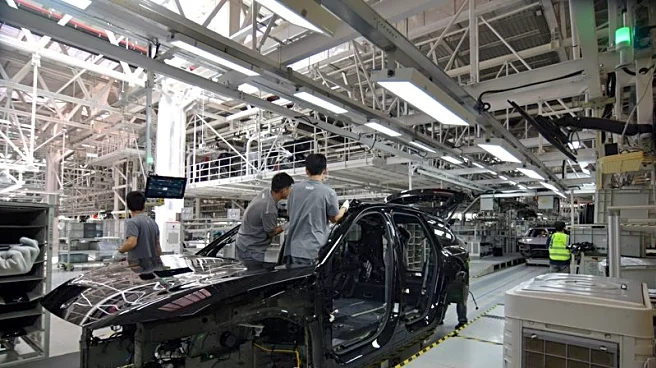
The next steps for sodium-ion battery technology involve scaling up production and integrating these batteries into commercial products. Companies like CATL in China are already working on developing sodium-ion batteries with high energy density and reliable performance in cold weather, which could accelerate their adoption in electric vehicles. Regulatory bodies and manufacturers will need to assess the safety and efficiency of these batteries in real-world applications. If successful, sodium-ion batteries could become a mainstream option, reducing reliance on lithium and potentially transforming the energy storage landscape.
Beyond the Headlines
Beyond the immediate technological and economic implications, the shift to sodium-ion batteries could have broader environmental and geopolitical impacts. Reducing dependence on lithium could alleviate some of the environmental degradation associated with lithium mining. It could also shift the geopolitical landscape, as countries with abundant sodium resources could become key players in the battery supply chain. Furthermore, the development of safer batteries could lead to increased consumer confidence and adoption of battery-powered devices, contributing to a more sustainable energy future.