


What's Happening?
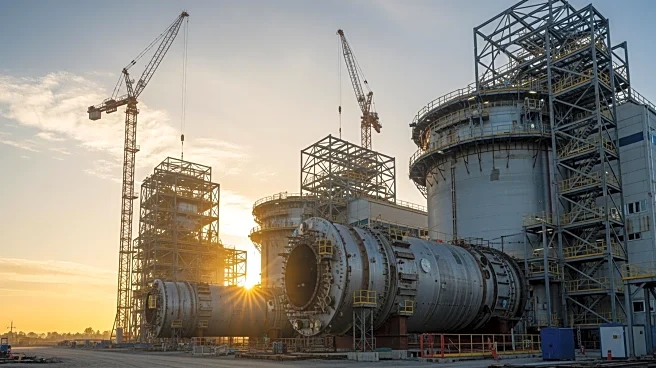
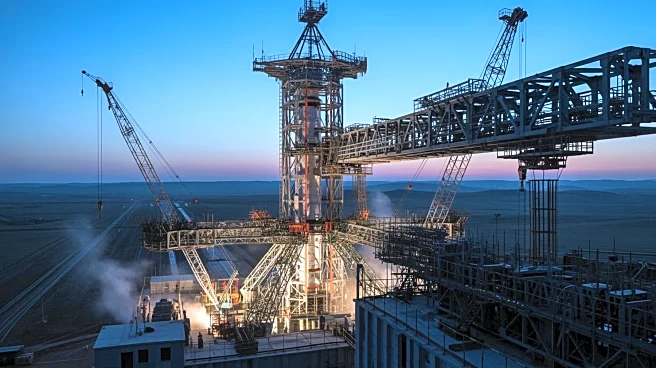
The U.S. Nuclear Regulatory Commission has granted TerraPower, a company financially backed by Bill Gates, approval to begin construction of its first nuclear plant in Kemmerer, Wyoming. This marks the first construction approval issued by the commission
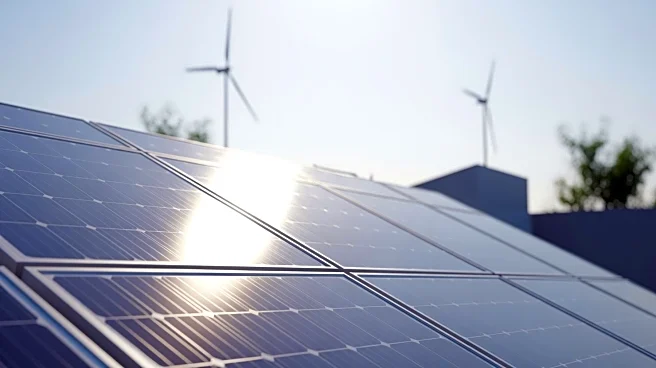
in nearly a decade. TerraPower's innovative reactor design, known as Natrium, is developed in collaboration with GE Hitachi and features a sodium-cooled system with integrated energy storage. The plant is designed to be smaller than traditional nuclear plants, with a capacity of 345 megawatts, and can temporarily output up to 500 megawatts. The Natrium reactor uses liquid sodium for cooling, which avoids the high-pressure steam challenges of water-cooled reactors but introduces risks due to sodium's reactivity with air and water. The plant will utilize a salt-based storage material to store heat, allowing it to operate flexibly alongside renewable energy sources.
Why It's Important?
The approval for TerraPower's plant is a significant step in advancing nuclear technology in the U.S., particularly in the context of transitioning from fossil fuels to cleaner energy sources. The plant's ability to integrate with renewable energy systems could help stabilize the grid and reduce reliance on coal and gas. This development is crucial as it aligns with broader efforts to reduce carbon emissions and combat climate change. The innovative design of the Natrium reactor, which can potentially reduce radioactive waste, represents a shift towards more sustainable nuclear energy solutions. The project also highlights the role of private investment in driving technological advancements in the energy sector.
What's Next?
With construction approval secured, TerraPower will proceed with building the plant, although it still requires an operating license before it can become operational. The plant is expected to be completed by 2030 at the earliest. The project will likely attract attention from environmental groups, policymakers, and the energy industry, as it could set a precedent for future nuclear projects. Stakeholders will be monitoring the plant's development closely, particularly its integration with renewable energy sources and its impact on local communities and the environment.