





What's Happening?
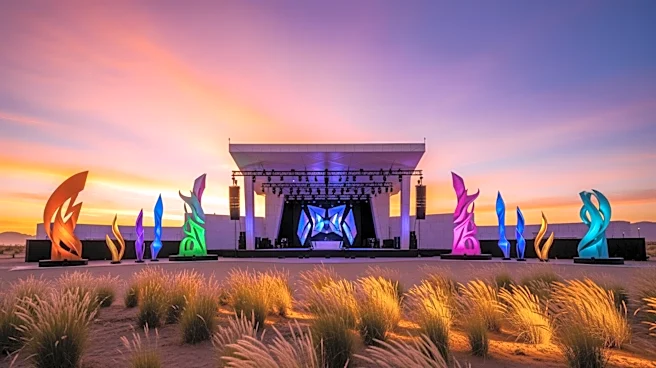
Coachella, originally a grassroots music festival, has evolved into a major platform for influencers and brands. Influencers often pay their own way to attend, but some receive free tickets, accommodations, and even financial compensation from brands. These
partnerships are highly strategic, as Coachella offers a unique networking opportunity and a chance for influencers to promote brands in a high-profile setting. Brands like Alaska Airlines, Method, and Svedka have become official sponsors, while others like Hailey Bieber's Rhode Skin and Revolve have gained significant media value from influencer posts. The festival is seen as a prime opportunity for product launches and brand visibility.
Why It's Important?
The involvement of influencers at Coachella highlights the growing importance of social media marketing and brand partnerships in the entertainment industry. Brands benefit from the extensive reach and engagement that influencers provide, often resulting in substantial earned media value. This trend reflects a shift in marketing strategies, where experiential events and influencer collaborations are prioritized over traditional advertising. The financial dynamics at Coachella also underscore the evolving role of influencers, who are increasingly seen as key players in brand promotion and consumer engagement.
What's Next?
As Coachella continues to attract influencers and brands, the festival may further integrate influencer marketing into its structure, potentially leading to more formalized partnerships and sponsorships. Brands might increase their investment in influencer collaborations, seeking to maximize their visibility and impact during the event. Influencers, in turn, may leverage their presence at Coachella to secure long-term brand deals and expand their professional networks. The festival's role as a marketing hub is likely to grow, influencing how brands approach experiential marketing and influencer engagement.
Beyond the Headlines
The rise of influencer marketing at Coachella raises questions about the authenticity and impact of such collaborations. While influencers provide valuable exposure for brands, there is a risk of oversaturation and diminished consumer trust if the partnerships appear too commercialized. Additionally, the focus on influencer-driven marketing may overshadow the festival's original purpose as a music event, potentially altering its cultural significance. As brands and influencers navigate these dynamics, the balance between commercial interests and genuine engagement will be crucial.