





What's Happening?
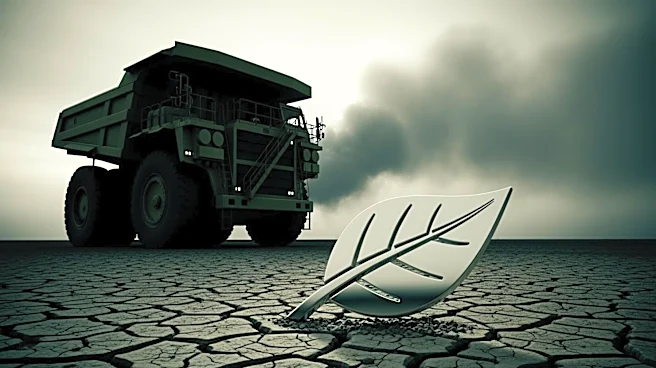
Australian mining company BHP is under scrutiny following leaked documents that suggest the company is delaying its decarbonization plans while purchasing diesel trucks. Internal records indicate that BHP paused billions of dollars in clean energy projects
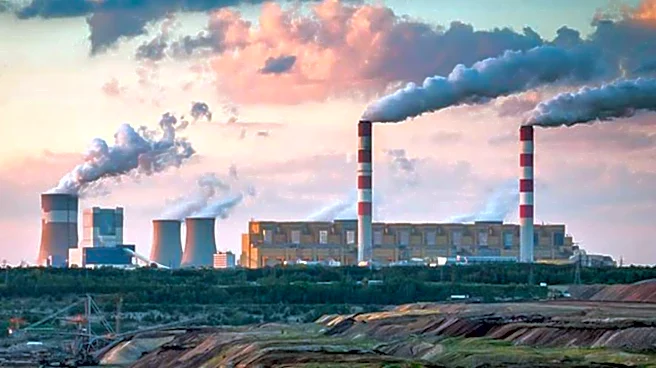
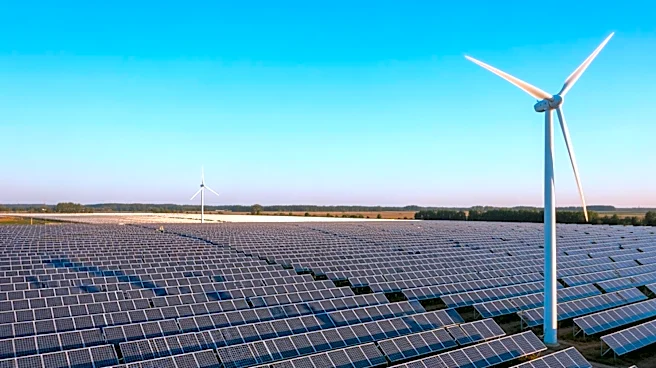
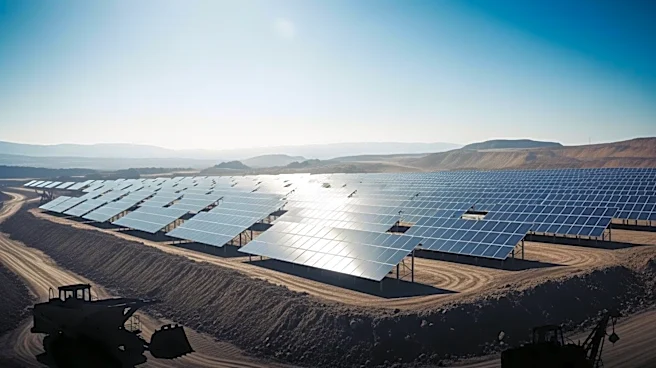
at its Pilbara operations in Western Australia, citing cash prioritization. This includes a $400 million solar-and-battery project and a $1.3 billion renewables proposal. Despite these delays, BHP has acquired 62 new diesel trucks, potentially extending fossil fuel use at the site until the late 2030s. The documents reveal concerns about reputational risks and the company's 'license to operate' due to slow emission reductions.
Why It's Important?
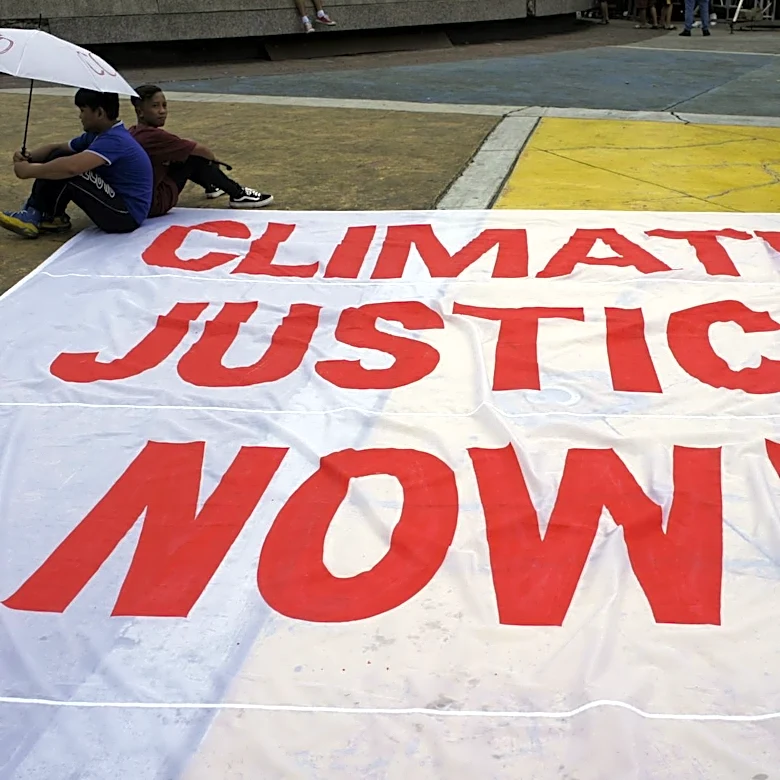
BHP's actions have significant implications for global climate efforts. As a major player in the mining industry, its decisions on emissions and energy use can influence broader industry practices and contribute to global pollution levels. The delay in clean energy investments raises questions about the company's commitment to its net-zero emissions target by 2050. This situation highlights the tension between public climate commitments and actual business practices, potentially affecting BHP's reputation and stakeholder trust. The move also underscores the challenges industries face in balancing economic priorities with environmental responsibilities.
What's Next?
BHP maintains its commitment to achieving net-zero emissions by 2050, but the delay in clean energy projects may complicate this goal. The company may face increased pressure from environmental groups and stakeholders to accelerate its decarbonization efforts. Additionally, the purchase of diesel trucks could lead to further scrutiny and calls for more transparent and accountable environmental practices. The mining industry, in general, may need to address similar challenges as it navigates the transition to sustainable energy sources.