






What's Happening?
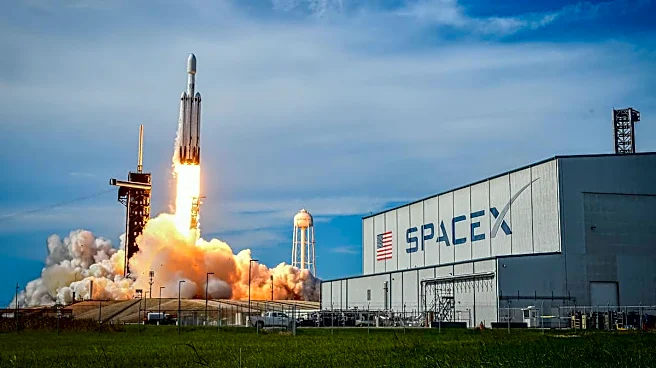
SpaceX is preparing for its initial public offering (IPO) on June 12, with shares priced at $135 each. This IPO has generated significant interest among investors eager to own a part of Elon Musk's space exploration and AI company. However, the process
of acquiring shares is not straightforward for retail investors. Shares are allocated through brokerage firms, which receive a limited number of shares from IPO underwriters. This means that retail investors may not receive the full number of shares they wish to purchase, as they compete with institutional investors and high-net-worth clients. Major brokerages like Charles Schwab, Fidelity, Robinhood Markets, and SoFi Technologies are participating in the IPO, each with different account requirements for investors.
Why It's Important?
The SpaceX IPO is significant as it represents a major opportunity for retail investors to invest in a high-profile company at its market debut. However, the allocation process highlights the challenges retail investors face in accessing IPO shares, often competing with larger institutional investors. This situation underscores the broader issue of accessibility and fairness in financial markets, where retail investors may find themselves at a disadvantage. The IPO also reflects the growing interest in space exploration and AI technologies, sectors that are expected to drive future economic growth.
What's Next?
Following the IPO, SpaceX shares will be available for trading on the Nasdaq, allowing investors who missed out on the initial offering to purchase shares on the open market. The performance of SpaceX shares post-IPO will be closely watched as an indicator of investor confidence in the company's future prospects. Additionally, the outcome of this IPO may influence how future IPOs are structured, particularly in terms of share allocation to retail investors.