






What's Happening?
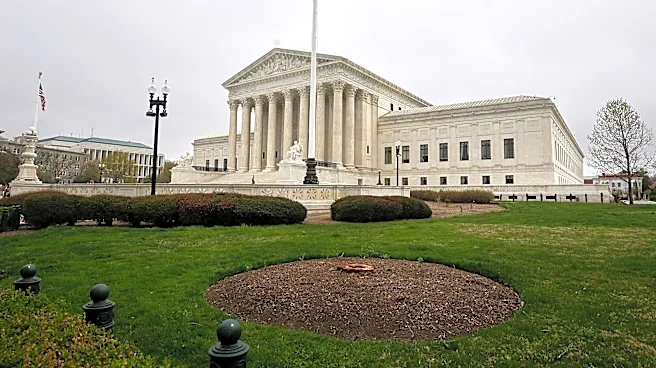
The U.S. Supreme Court is currently deliberating on the legality of the Federal Communications Commission's (FCC) procedure for imposing fines, as challenged by AT&T and Verizon. These telecom giants were fined $104 million for selling users' real-time
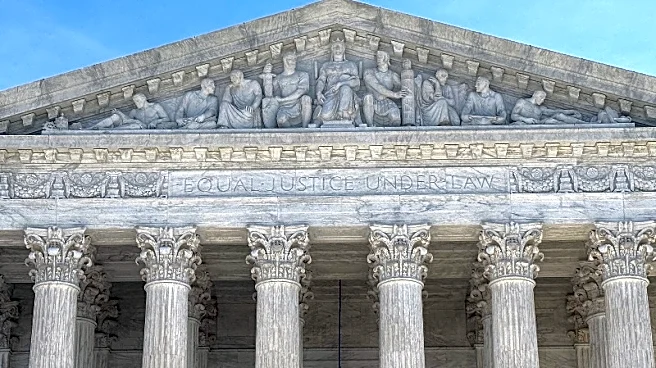
location data without consent. They argue that the FCC's penalty system violates their Seventh Amendment right to a jury trial. During oral arguments, justices noted that the companies could have opted for a jury trial by not paying the fines and waiting for a government enforcement action. The case has highlighted the nonbinding nature of FCC fines, which require court enforcement to be obligatory. The outcome could influence how regulatory fines are perceived and enforced in the future.
Why It's Important?
This case is pivotal for the telecommunications industry and other sectors regulated by the FCC. A decision affirming the nonbinding nature of FCC fines could alter how companies approach compliance and challenge regulatory penalties. It underscores the tension between regulatory authority and constitutional rights, particularly concerning due process and the right to a jury trial. The case also reflects broader issues of data privacy and corporate accountability, as the fines were related to unauthorized data sales. The Supreme Court's decision could set a precedent affecting regulatory practices and corporate strategies across various industries.
What's Next?
Depending on the Supreme Court's ruling, the FCC may need to revise its penalty procedures to ensure compliance with constitutional requirements. Telecom companies and other regulated entities might adjust their legal strategies in response to the decision, potentially leading to more litigation over regulatory fines. The case could also prompt legislative action to clarify the scope and enforcement of regulatory penalties, balancing government oversight with constitutional protections.