



What's Happening?
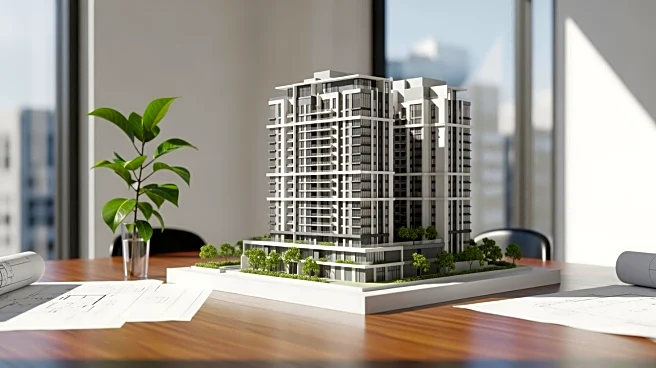
Safehold Inc., a leader in the modern ground lease industry, has successfully closed a ground lease and leasehold loan to support the development of a new multifamily project at 299 Broadway in Somerville, Massachusetts. This project, which includes 204
residential units, marks Safehold's first collaboration with Boston-based developers Samuels & Associates and Mark Development. The transaction was completed in late December and has been highlighted in The Boston Globe. Safehold's innovative approach to real estate ownership allows property owners to unlock the value of the land beneath their buildings, offering a new model for generating returns with reduced risk. The company, which operates as a real estate investment trust (REIT), continues to expand its portfolio, which includes over 22,000 multifamily units across major U.S. markets.
Why It's Important?
This development is significant as it underscores the growing trend of utilizing ground leases to facilitate real estate projects, particularly in high-demand urban areas like Boston. By partnering with established developers, Safehold is able to provide flexible and cost-effective financing solutions that can enhance project viability and profitability. This model not only benefits developers by reducing upfront land acquisition costs but also offers investors a stable income stream and potential for long-term capital appreciation. As urban areas continue to face housing shortages, innovative financing solutions like those offered by Safehold could play a crucial role in addressing these challenges by enabling more efficient use of land resources.
What's Next?
Safehold's successful entry into the Boston market with this project may pave the way for further collaborations with local developers. The company is likely to explore additional opportunities to expand its presence in the region, leveraging its ground lease model to support a variety of property types. As the demand for multifamily housing continues to rise, particularly in urban centers, Safehold's approach could become increasingly attractive to developers seeking to optimize their financial strategies. Future projects may also benefit from the company's ability to provide low-cost, flexible capital, potentially leading to more innovative and sustainable urban development solutions.