


What's Happening?
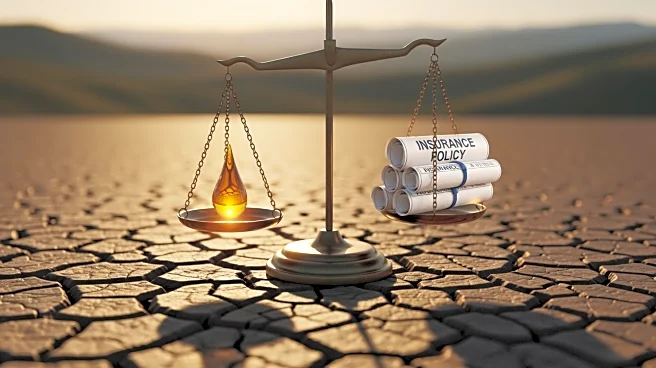
A new bill, SB 982, known as the Affordable Insurance Recovery Act, has been introduced in the California Legislature. The bill aims to hold oil and gas companies financially responsible for the increasing insurance costs resulting from climate-related disasters. This legislation would authorize the state's attorney general to file civil litigation against fossil fuel companies to recover losses from climate-induced disasters. The bill is a response to the rising home insurance premiums in California, which have been increasing due to a series of devastating wildfires over the past decade. The January 2025 Eaton and Palisades fires alone are expected to result in up to $45 billion in insured damages. The bill's lead author, Sen. Scott Wiener,
argues that while survivors, taxpayers, and policyholders are bearing the financial burden, fossil fuel corporations are not contributing to the costs. The recovered funds would be used to compensate policyholders for rising premiums and other expenses, including fire-proofing their properties.
Why It's Important?
The proposed legislation is significant as it seeks to shift the financial burden of climate-related disasters from policyholders and taxpayers to fossil fuel companies. This move could set a precedent for holding energy producers accountable for their role in climate change and its associated costs. If successful, the bill could lead to similar legislative efforts in other states, potentially impacting the financial operations of oil and gas companies nationwide. However, the bill faces opposition from industry groups like the Western States Petroleum Association, which argues that it would raise gas prices and lead to job losses. The outcome of this legislative effort could influence future policy decisions regarding climate change accountability and financial responsibility.
What's Next?
The bill will likely face significant debate in the California Legislature, with strong opposition expected from the fossil fuel industry. If passed, it could lead to increased litigation against oil and gas companies, potentially resulting in substantial financial liabilities for these corporations. The bill's progress will be closely watched by other states considering similar legislation, such as New York and Hawaii. The outcome could also influence federal policy discussions on climate change and corporate accountability.