







What's Happening?
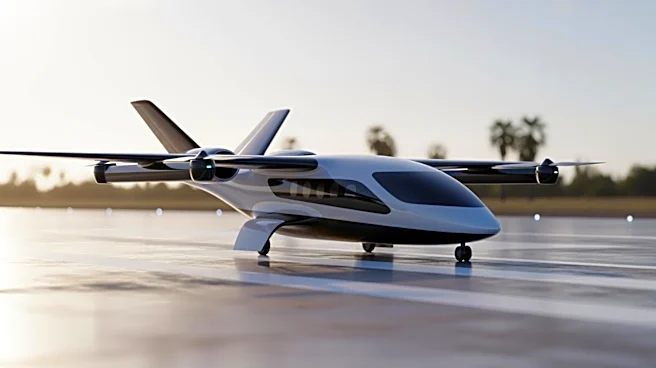
Beta Technologies and Signature Aviation have successfully concluded a demonstration of Advanced Air Mobility (AAM) in Florida. This demonstration follows a series of tests conducted in colder climates earlier this year. The focus of these tests is to
evaluate the performance and feasibility of AAM technologies in varying environmental conditions. The initiative is part of a broader effort to advance sustainable aviation solutions, which are increasingly important as the aviation industry seeks to reduce its carbon footprint. The demonstration in Florida, characterized by hot and humid conditions, is a critical step in understanding how these technologies can be adapted for different climates and operational scenarios.
Why It's Important?
The successful completion of the AAM demonstration in Florida is significant for the aviation industry, particularly in the context of sustainability. As the industry faces mounting pressure to reduce emissions, the development and implementation of AAM technologies offer a promising pathway to achieving these goals. By demonstrating the viability of these technologies in diverse environmental conditions, Beta Technologies and Signature Aviation are contributing to the broader adoption of sustainable aviation practices. This could lead to reduced reliance on traditional fossil fuels and a decrease in the overall carbon emissions of the aviation sector, aligning with global sustainability targets.
What's Next?
Following the successful demonstration, it is anticipated that Beta Technologies and Signature Aviation will continue to refine and expand their AAM capabilities. This may involve further testing in different geographic locations and climates to ensure the robustness and reliability of the technology. Additionally, there may be increased collaboration with regulatory bodies to establish guidelines and standards for the integration of AAM into existing airspace systems. The outcomes of these efforts could pave the way for commercial deployment of AAM solutions, potentially transforming urban mobility and contributing to more sustainable transportation networks.