








What's Happening?
The U.S. Supreme Court has ruled against four major American cruise operators—Carnival, Norwegian Cruise Line Holdings, Royal Caribbean Cruises, and MSC Cruises—in a case involving the use of docks in Cuba. These docks were originally seized by Fidel
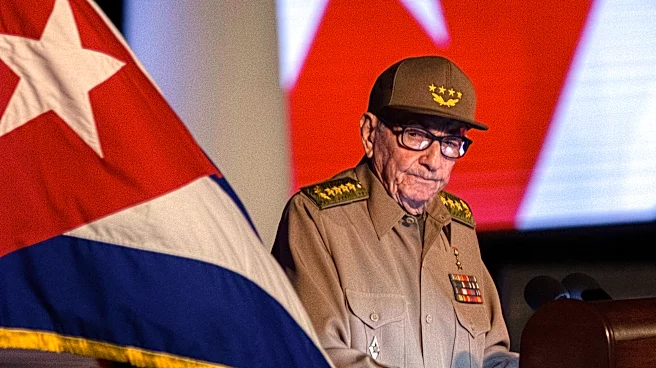
Castro's government in 1959. The court's 8-1 decision overturned a previous ruling that had dismissed $440 million in judgments against the cruise lines. The lawsuit was filed by Havana Docks Corporation under the Helms-Burton Act, which allows U.S. nationals to sue for property confiscated by the Cuban government. The cruise operators had used the docks between 2016 and 2019, following the easing of travel restrictions to Cuba by President Barack Obama. The Supreme Court's decision comes amid heightened tensions between the U.S. and Cuba, with recent murder charges announced against former Cuban President Raúl Castro.
Why It's Important?
This ruling has significant implications for U.S.-Cuban relations and the cruise industry. It underscores the legal risks for international businesses operating in Cuba, particularly under the Helms-Burton Act. The decision may deter other companies from engaging in business with Cuba, fearing similar legal repercussions. For the cruise operators, the financial impact is substantial, as they face hundreds of millions in potential liabilities. The ruling also reflects the broader geopolitical tensions between the U.S. and Cuba, exacerbated by President Trump's policies, which have included sanctions and a blockade. This legal precedent could influence future cases involving claims under the Helms-Burton Act, affecting both U.S. and foreign companies.
What's Next?
The Supreme Court's decision may lead to further legal actions against other companies that have engaged in business with Cuba. The ruling could also prompt legislative or diplomatic efforts to address the implications of the Helms-Burton Act. Additionally, the court is expected to rule soon on a related case involving ExxonMobil's claims against Cuban state-owned entities. The outcomes of these cases could shape the future of U.S.-Cuban economic relations and influence the strategies of companies considering operations in Cuba.