



What's Happening?
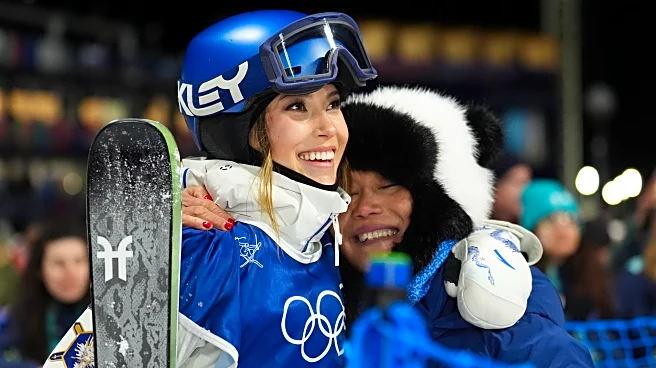
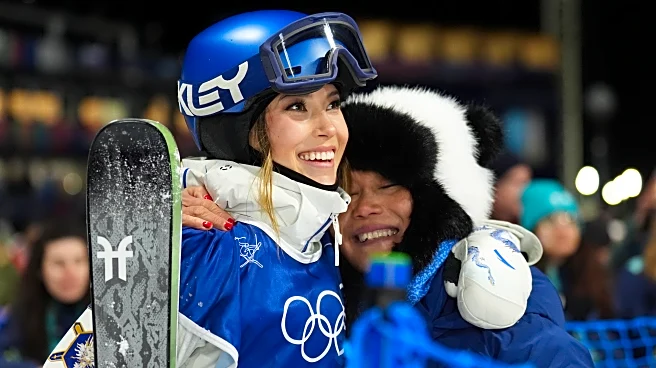
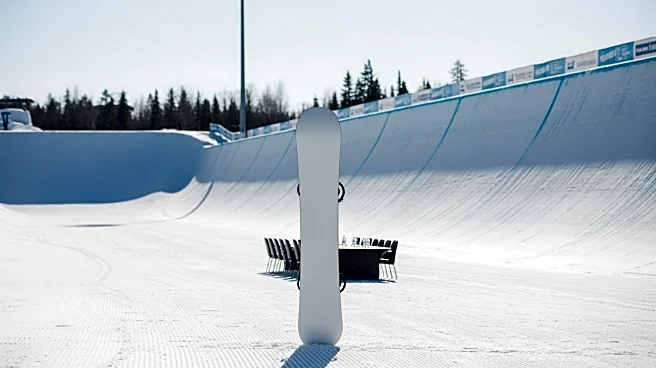
Eileen Gu, a prominent freestyle skier competing in the 2026 Winter Olympics in Livigno, Italy, has expressed disappointment with the Games organizers for not accommodating her training schedule. Gu, who is competing in all three freestyle skiing disciplines—slopestyle, halfpipe, and big air—faces a scheduling conflict as the big air final overlaps with the first halfpipe training session. Despite reaching out to the International Ski and Snowboard Federation (FIS) for a compromise, such as joining snowboarders' training, her request was denied. FIS stated that altering the schedule for one athlete would be unfair to others. Gu, who competes for China, has not trained on a halfpipe since December and is concerned about the lack of preparation
time for the event.
Why It's Important?
The situation highlights the challenges faced by multi-discipline athletes in major sporting events like the Olympics. Gu's case underscores the need for flexible scheduling to accommodate athletes who compete in multiple events, ensuring they have equal training opportunities. The decision by FIS not to adjust the schedule could impact Gu's performance, potentially affecting her chances of securing medals. This incident also raises questions about the fairness and inclusivity of Olympic scheduling practices, which could influence future policy decisions by international sports organizations.
What's Next?
Eileen Gu will continue with her Olympic schedule, competing in the big air final on Monday, followed by the halfpipe qualifiers on Thursday and the final on Saturday. The outcome of these events will determine her success in achieving a repeat of her previous three-medal haul. The situation may prompt discussions among sports governing bodies about how to better accommodate athletes with demanding schedules in future competitions. Stakeholders, including athletes and national teams, may advocate for more flexible scheduling to prevent similar conflicts.