
What's Happening?
The Association of Footwear Components (AEC) and international consultancy Trendstop have presented the key trends set to define the footwear industry for the autumn/winter 2027/2028 season. This presentation follows the successful Spanish supplier fair
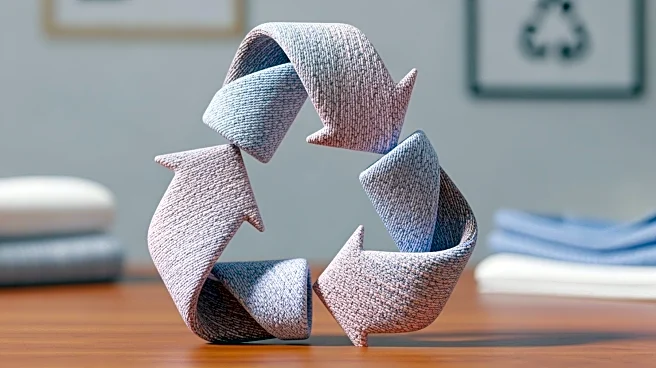
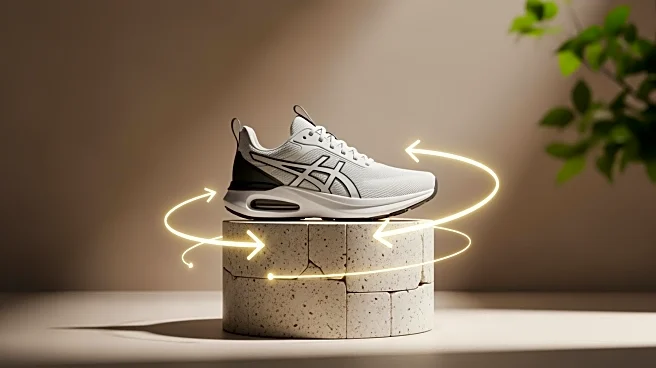
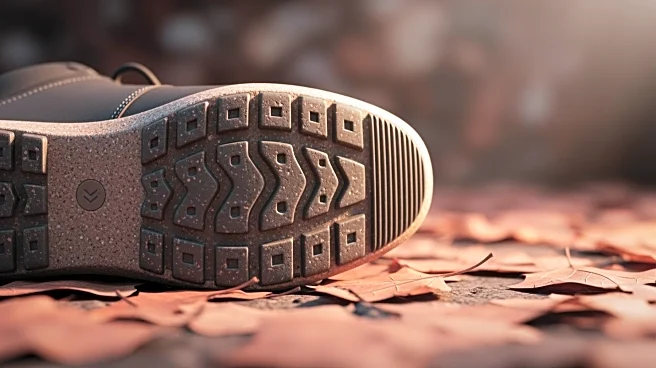
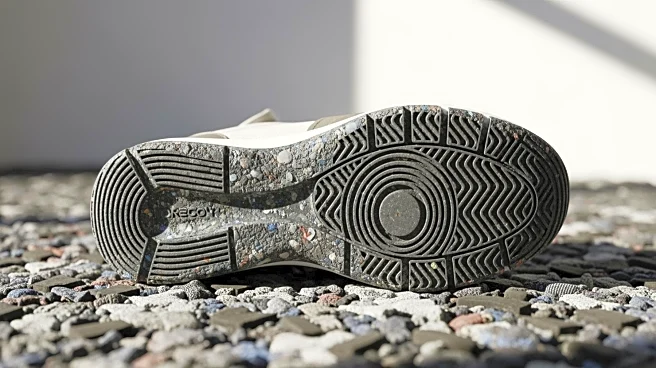
Futurmoda, which gathered over 4,100 professionals in Elche. Manuel Román, president of AEC, emphasized the strategic importance of this presentation for component companies, allowing them to develop sample collections with early insights into upcoming products and lines. The trends highlight a blend of nostalgia, innovation, and sensory design, with a focus on integrating style and comfort. Advanced technologies like 3D printing and hybrid materials are expected to be incorporated, offering versatile footwear suitable for urban environments and various weather conditions. The trends also emphasize durability and repairability, with designs featuring interchangeable layers and repairable systems to promote sustainability.
Why It's Important?
The unveiling of these trends is significant for the footwear industry as it addresses the growing consumer demand for products that combine style, comfort, and sustainability. By focusing on durability and repairability, the industry is moving towards more responsible production practices, which could reduce waste and extend product lifecycles. This shift aligns with broader environmental goals and could enhance brand reputation among eco-conscious consumers. The integration of advanced technologies and sensory design also reflects the industry's adaptation to modern consumer expectations, potentially driving innovation and competitiveness in the market. Companies that embrace these trends may gain a competitive edge by appealing to consumers seeking both aesthetic appeal and functional benefits.
What's Next?
As these trends are adopted, footwear companies are likely to invest in research and development to incorporate advanced technologies and sustainable practices into their products. Brands may also explore partnerships with technology firms to enhance their design capabilities. The focus on repairability could lead to the establishment of in-store repair services, similar to those offered by brands like Veja, further promoting sustainability. Additionally, the emphasis on nostalgia and contemporary design may inspire new marketing strategies that connect emotionally with consumers. Industry stakeholders will need to monitor consumer responses to these trends and adjust their strategies accordingly to maintain relevance and market share.
Beyond the Headlines
The focus on sustainability and repairability in footwear design could have broader implications for the fashion industry, encouraging a shift towards circular economy models. This approach not only benefits the environment but also offers economic advantages by reducing material costs and creating new business opportunities in repair and customization services. The trend towards sensory design highlights the importance of consumer experience, suggesting that future innovations may prioritize tactile and emotional connections with products. As the industry evolves, ethical considerations around production practices and material sourcing will likely become more prominent, influencing consumer choices and regulatory policies.