






What's Happening?
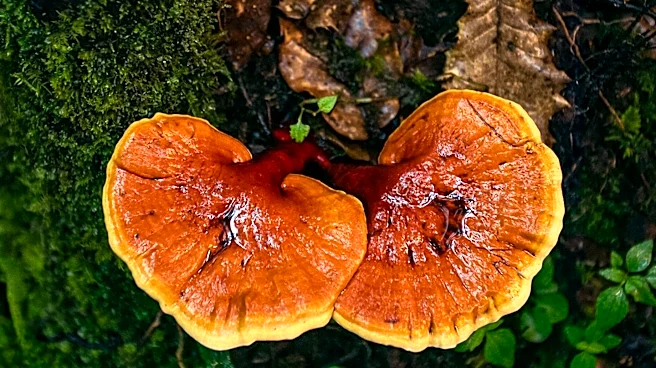
Maria Pinto, a Jamaican American naturalist, is exploring the connection between fungi and African diasporic history. Her book, 'Fearless, Sleepless, Deathless', highlights the role of mushrooms in Black culture and history. Pinto, along with other Black mycologists
like Elan Hagens and William Padilla-Brown, is contributing to the growing field of mycology. These enthusiasts are uncovering the ecological importance of fungi and their cultural significance. The study of fungi, still a relatively new field, is gaining popularity, with citizen scientists playing a key role in identifying new species.
Why It's Important?
The exploration of fungi's role in African diasporic history enriches our understanding of cultural heritage and ecological knowledge. By highlighting the contributions of Black mycologists, this work challenges the predominantly white narrative in the field and encourages diversity in scientific research. Fungi play a crucial role in ecosystems as decomposers and nutrient providers, making their study vital for ecological conservation. This growing interest in mycology can lead to new discoveries that benefit both science and society, fostering a deeper appreciation for the natural world and its cultural connections.
What's Next?
As interest in mycology grows, more research and collaboration among diverse communities are expected. Initiatives like MycoFest, organized by Padilla-Brown, provide platforms for sharing knowledge and fostering community among mycologists. These efforts may lead to increased funding and support for mycological research, particularly in underrepresented communities. The continued exploration of fungi's cultural and ecological roles could inspire new educational programs and public engagement initiatives, promoting a broader understanding of the importance of biodiversity and conservation.