


What's Happening?
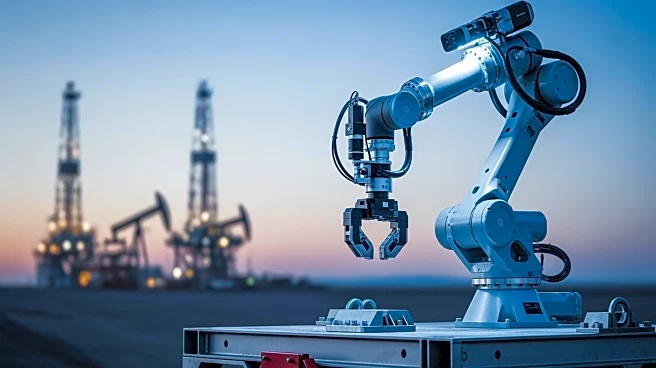
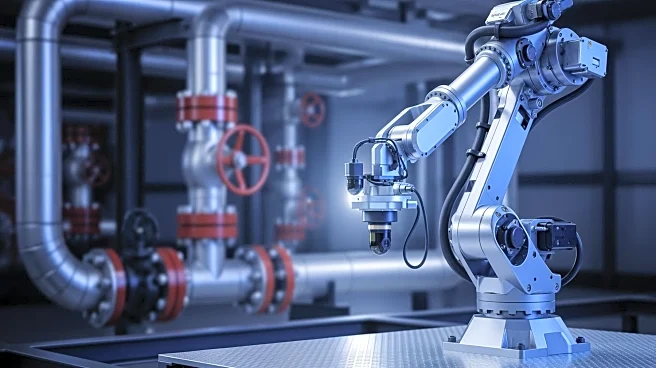
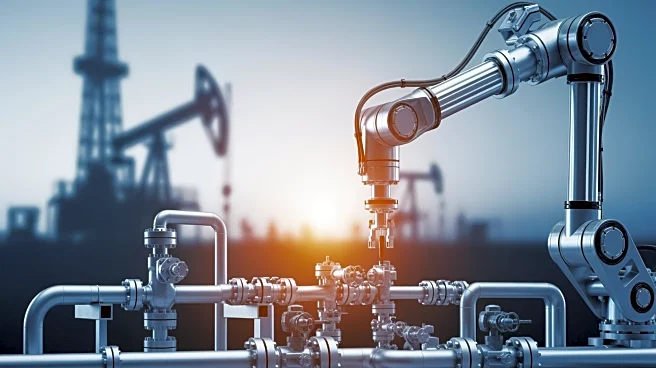
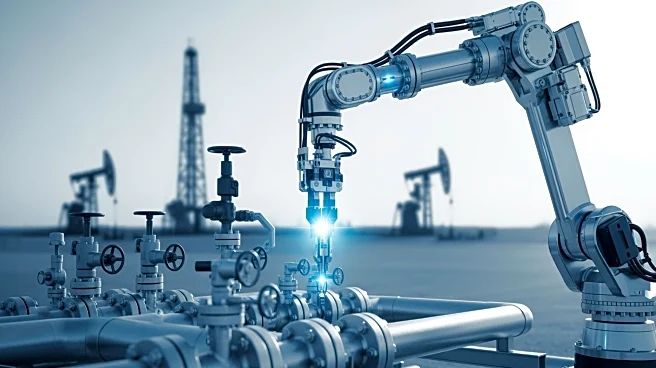
The oil and gas industry is increasingly adopting autonomous robotic missions to enhance safety, emissions control, and asset reliability. These robots, equipped with advanced sensors, are transforming traditional inspection methods by providing continuous,
data-driven monitoring. Unlike human inspectors, robots can operate in hazardous environments without the risk of becoming ignition sources, thanks to Ex-certification. This allows them to detect early-stage leaks and other anomalies more effectively than fixed gas detectors. The integration of optical, thermal, acoustic, and environmental sensors enables these robots to perform comprehensive inspections, identifying issues before they escalate into major safety or environmental concerns.
Why It's Important?
The deployment of autonomous robots in the oil and gas sector addresses several critical challenges, including safety risks, labor shortages, and the need for more efficient emissions detection. By automating routine inspections, these robots free up skilled technicians to focus on critical repairs and decision-making, thereby preserving institutional knowledge and improving operational resilience. The ability to detect and address leaks early helps prevent costly shutdowns and regulatory penalties, aligning with emerging methane regulations that emphasize rapid detection and repair. This technological shift not only enhances safety and compliance but also supports the industry's transition towards more sustainable practices.
What's Next?
As the oil and gas industry continues to face a talent shortage, the role of autonomous robots is expected to expand. Companies may increasingly rely on these technologies to maintain operational efficiency and safety standards. The integration of robotic inspection data into existing maintenance management systems could further streamline operations, allowing for more proactive maintenance strategies. Additionally, as regulatory pressures mount, the demand for advanced emissions detection and reporting capabilities is likely to grow, driving further innovation in robotic technologies.
Beyond the Headlines
The adoption of autonomous robots in the oil and gas industry represents a broader trend towards digital transformation and data-driven decision-making. This shift not only enhances operational efficiency but also supports a cultural change within the industry, promoting a stronger safety culture and better data discipline. As companies integrate these technologies, they may also explore new operating models, such as reduced manning and increased reliance on remote support centers, which could redefine workforce dynamics and improve overall industry resilience.