





What's Happening?
Lando Norris, a prominent Formula 1 driver, has expressed his belief that Max Verstappen will remain in the sport longer than anticipated, despite the Dutchman's criticisms of the upcoming 2026 regulations. Verstappen, a four-time world champion, has been
vocal about his dissatisfaction with the current driving conditions and the forthcoming rule changes aimed at improving the racing experience. Norris, along with his McLaren teammate Oscar Piastri, shared their views at a media event, emphasizing Verstappen's significant impact on the sport and the potential loss his departure would represent. The discussion also touched on McLaren's strategic moves, including the future acquisition of Verstappen's race engineer, Gianpiero Lambiase, which could influence Verstappen's career decisions.
Why It's Important?
The potential departure of Max Verstappen from Formula 1 would be a significant loss for the sport, given his status as one of the most successful drivers in recent history. His criticisms of the 2026 regulations highlight ongoing debates about the direction of Formula 1 and its impact on driver satisfaction and performance. The situation underscores the importance of regulatory decisions in shaping the competitive landscape and retaining top talent. Additionally, McLaren's strategic moves, such as hiring key personnel from rival teams, could shift team dynamics and influence driver decisions, potentially affecting the competitive balance within the sport.
What's Next?
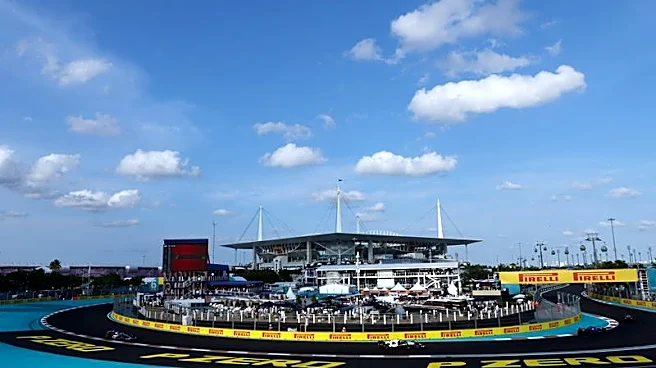
As Formula 1 approaches the implementation of the 2026 regulations, teams and drivers will continue to assess the impact of these changes on their strategies and performance. McLaren's acquisition of Gianpiero Lambiase in 2028 could position the team as a more attractive option for top drivers like Verstappen, should he decide to leave Red Bull. Meanwhile, the sport will need to address driver concerns to maintain its appeal and competitive integrity. The upcoming Miami Grand Prix will serve as a testing ground for some of these regulatory tweaks, providing further insights into their effectiveness and reception among drivers.