




What's Happening?
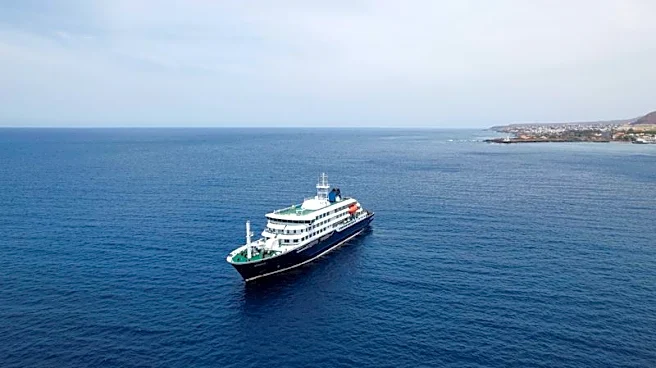
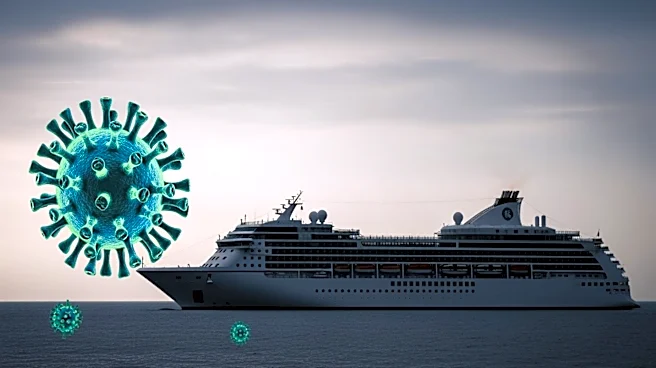
The recent hantavirus outbreak aboard the MV Hondius cruise ship has brought attention to the growing trend of remote expedition cruises and the associated health risks. The luxury cruise industry has seen a surge in demand for isolated, experience-driven
destinations, with Antarctica trips becoming increasingly popular. Despite the outbreak, experts believe the appeal of remote expeditions will remain strong. However, the incident underscores the importance of understanding the logistical and medical challenges of traveling to remote areas. Travel insurance and evacuation specialists emphasize the need for comprehensive coverage and contingency planning for such trips.
Why It's Important?
The hantavirus outbreak aboard the MV Hondius highlights the potential health risks associated with remote expedition cruises. As the luxury cruise industry continues to grow, travelers and industry stakeholders must be aware of the unique challenges posed by remote travel, including limited access to medical facilities and complex evacuation logistics. The situation underscores the importance of robust travel insurance policies that provide adequate medical and evacuation coverage. It also raises awareness about the need for travelers to be informed and prepared for emergencies when venturing into remote regions.
Beyond the Headlines
The outbreak may prompt a reevaluation of health and safety protocols within the cruise industry, particularly for remote expeditions. As travelers seek unique experiences, the industry must balance the allure of remote destinations with the need for comprehensive risk management strategies. The incident could lead to increased demand for specialized travel insurance products and greater emphasis on traveler education regarding the risks of remote travel. Additionally, the situation highlights the broader implications of global health security and the importance of international cooperation in managing infectious disease outbreaks.