
What's Happening?
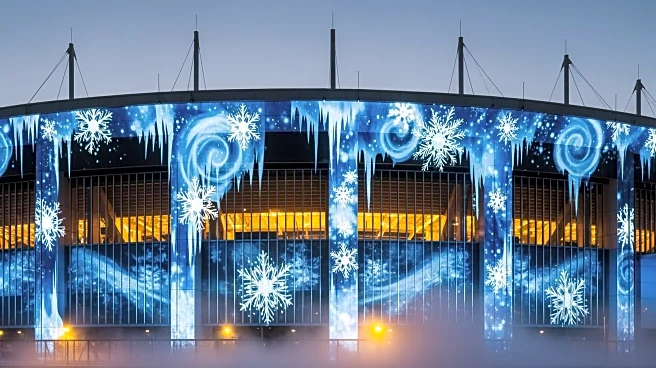
Real Madrid has transformed its iconic Santiago Bernabéu Stadium into a winter wonderland, dubbed 'Mavidad,' to bring festive cheer to fans and visitors. The event, running from December 23 to 31, features
a snow-covered village with various attractions, including an ice rink, bumper cars, a carousel, and a giant slide. The initiative is part of Real Madrid's efforts to make the Bernabéu a year-round entertainment destination following its €1.3 billion renovation. Despite the absence of many players who are on holiday, the event has sold out quickly, highlighting its popularity. The transformation was completed in just 48 hours, showcasing the club's commitment to providing unique experiences beyond football.
Why It's Important?
The transformation of the Bernabéu into a winter wonderland underscores Real Madrid's strategy to diversify the use of its stadium, enhancing its role as a multi-purpose venue. This move not only boosts the club's revenue streams but also strengthens its brand as a leader in sports entertainment. By hosting events like Mavidad, Real Madrid can attract a broader audience, including families and tourists, thereby increasing its cultural and economic impact. The initiative reflects a growing trend among sports venues to offer diverse experiences, contributing to the local economy and community engagement.
What's Next?
As Real Madrid continues to develop the Bernabéu as a year-round destination, future plans may include more events and attractions that cater to a wide audience. The club is also working on sound-proofing the stadium to address noise complaints, which could pave the way for hosting concerts and other large-scale events. These developments are likely to enhance the stadium's appeal and profitability, setting a precedent for other sports venues worldwide. Stakeholders, including local businesses and tourism operators, may benefit from increased foot traffic and economic activity.
Beyond the Headlines
The Bernabéu's transformation into a winter wonderland highlights the evolving role of sports stadiums as cultural hubs. This shift raises questions about the balance between commercial interests and community impact, particularly concerning noise and environmental considerations. As stadiums expand their functions, they must navigate these challenges to maintain positive relationships with local residents and authorities. The success of such initiatives could influence urban planning and the future design of sports facilities, emphasizing sustainability and community integration.