





What's Happening?
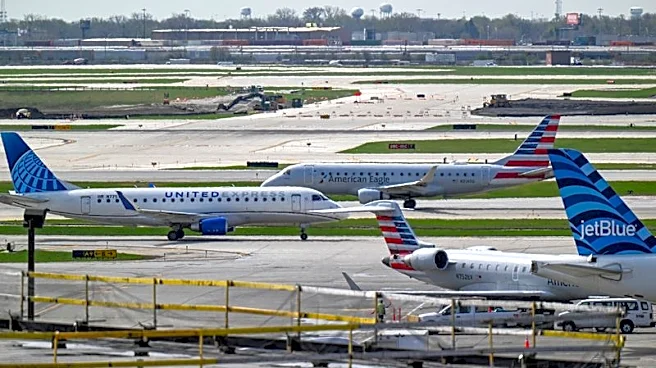
Spirit Airlines is reportedly close to securing a $500 million bailout from the Trump administration. The deal, which is expected to be announced soon, involves the federal government taking a stake in the airline. Spirit has faced financial difficulties
since the COVID-19 pandemic and has been further impacted by rising jet fuel costs due to the ongoing war in Iran. The bailout aims to prevent Spirit from becoming the first major U.S. airline in 25 years to halt operations due to financial issues. The potential shutdown of Spirit would affect thousands of employees and millions of passengers.
Why It's Important?
The bailout of Spirit Airlines is significant as it highlights the challenges faced by the airline industry, particularly smaller carriers, in the current economic climate. Rising fuel costs and financial instability have put pressure on airlines, and a bailout could set a precedent for government intervention in the industry. The deal could stabilize Spirit's operations, preserving jobs and maintaining competition in the airline market. However, it may also lead to increased scrutiny and criticism from other airlines and stakeholders who are also struggling with similar issues.
What's Next?
If the bailout is finalized, Spirit Airlines will focus on completing its reorganization and stabilizing its operations. The airline will need to address its financial challenges and work towards long-term sustainability. The deal may also prompt discussions within the airline industry about the role of government support and the criteria for receiving such aid. Stakeholders, including employees, passengers, and competitors, will be closely monitoring the outcome and its implications for the broader industry.
Beyond the Headlines
The potential bailout raises questions about the fairness and criteria of government support for private companies. It also highlights the vulnerability of the airline industry to external factors such as geopolitical events and economic fluctuations. The situation underscores the need for strategic planning and risk management within the industry to mitigate the impact of such challenges. Additionally, the bailout could influence future policy decisions regarding government intervention in private sector crises.