



What's Happening?
A study by the Energy and Climate Intelligence Unit (ECIU) reveals that petrol and diesel car owners in the UK have paid significantly more than electric vehicle (EV) drivers during the first 100 days of the Iran war. The conflict has led to a spike in oil
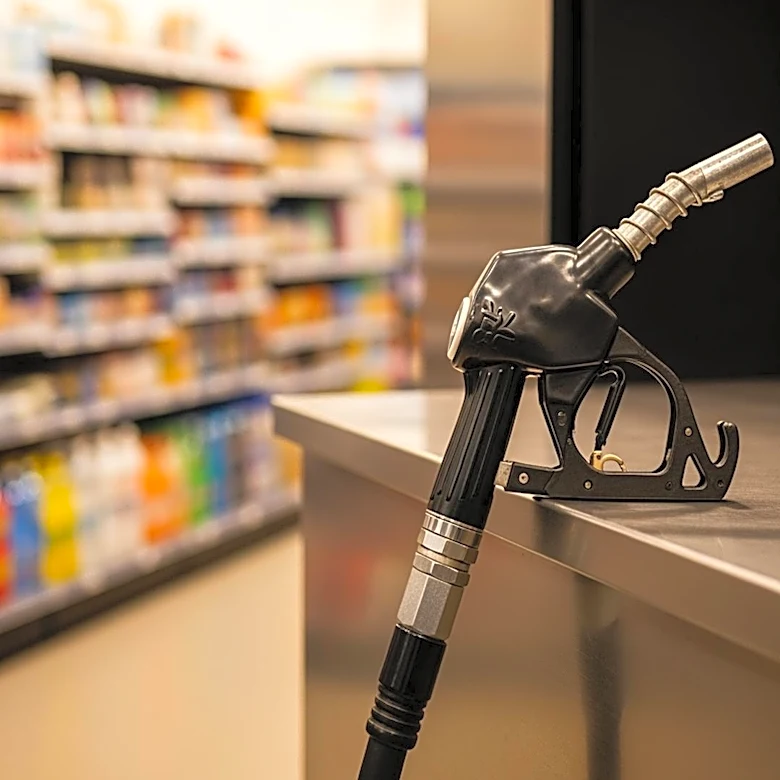
prices, increasing the cost of operating petrol and diesel vehicles. In contrast, EV owners have benefited from lower running costs, highlighting the financial advantages of electric vehicles. The study estimates that non-EV drivers have paid an additional £175 on average, with the total extra cost for petrol and diesel vehicles reaching £1.7 billion. This situation underscores the growing economic appeal of EVs as a cost-effective alternative to traditional vehicles.
Why It's Important?
The findings of the ECIU study emphasize the economic benefits of transitioning to electric vehicles, particularly in the context of volatile oil prices. As geopolitical tensions continue to impact fuel costs, EVs offer a more stable and predictable cost structure for consumers. This could accelerate the adoption of EVs in the UK and other markets, contributing to efforts to reduce carbon emissions and reliance on fossil fuels. For policymakers, the study highlights the importance of supporting EV infrastructure and incentives to encourage wider adoption. The automotive industry may also see increased pressure to expand EV offerings to meet growing consumer demand.
What's Next?
With the ongoing conflict in Iran and the resulting impact on oil prices, the trend towards EV adoption is likely to continue. Policymakers may consider additional measures to support the transition to electric vehicles, such as expanding charging infrastructure and offering financial incentives. The automotive industry may also need to adjust production strategies to prioritize EVs and meet consumer demand. As the market for EVs grows, manufacturers could explore new technologies and innovations to enhance vehicle performance and affordability.