
What's Happening?
Flash Shelton, host of the new A&E series 'Squatters', has shared his personal experience with squatters who took over his mother's vacant home in California. After moving his mother into his own home following
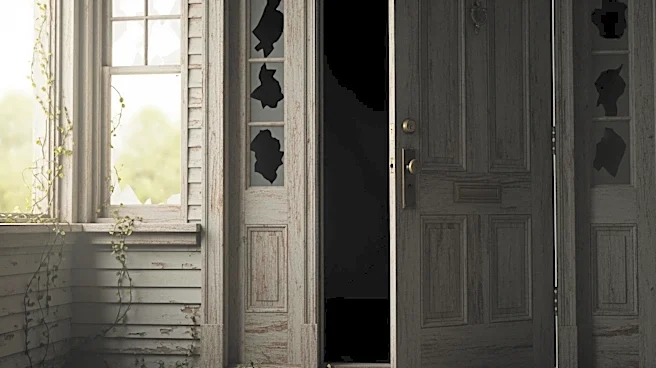
his father's death, Shelton discovered that squatters had occupied her empty house. Despite contacting law enforcement, the presence of personal furniture led authorities to treat the situation as a civil matter rather than a criminal one. This experience motivated Shelton to learn about tenant and property laws, leading him to develop legal methods to reclaim properties from squatters. His approach involves signing a lease to gain legal access and using tactics to make the squatters uncomfortable, ultimately leading to their departure. Shelton's methods are now featured in his reality TV show, where he helps other property owners facing similar issues.
Why It's Important?
The issue of squatting highlights significant gaps in property and tenant laws, which can leave homeowners vulnerable to losing control of their properties. Shelton's story underscores the challenges property owners face when dealing with squatters, as legal loopholes can complicate eviction processes. His efforts to address these challenges through legal means and public awareness could influence future legislative changes. The show 'Squatters' not only entertains but also educates viewers on the complexities of property rights and the importance of understanding legal frameworks. This could lead to increased advocacy for clearer distinctions between squatters and tenants, potentially prompting reforms in property law to better protect homeowners.
What's Next?
Shelton is advocating for changes in the legal system to prevent squatters from gaining tenant rights. He suggests that leases should be notarized and have clear end dates to avoid civil disputes. Additionally, Shelton is developing a National Squatter Tenant Registry to help landlords verify potential tenants' backgrounds. As the show gains viewership, it may increase public pressure on lawmakers to address these legal ambiguities. Property owners and legal experts might engage in discussions to propose legislative reforms that clearly differentiate between squatters and legitimate tenants, aiming to streamline the eviction process and protect property rights more effectively.
Beyond the Headlines
Shelton's initiative also raises ethical questions about the balance between property rights and the rights of individuals who may be forced into squatting due to economic hardship. The show could spark debates on housing affordability and the social safety nets available to prevent homelessness. Furthermore, Shelton's unconventional methods, while legal, may be seen as controversial, prompting discussions on the ethical implications of using such tactics. The broader societal impact of the show could lead to increased awareness and dialogue about housing policies and the need for comprehensive solutions to address the root causes of squatting.