






What's Happening?
The U.S. Consumer Price Index (CPI) for May is projected to show a 4.2% annual increase, the highest since April 2023, driven by a significant rise in energy costs due to the Iran war. Core inflation, excluding food and energy, is expected to reach 2.9%.
The Bureau of Labor Statistics will release the data, which reflects ongoing inflationary pressures affecting the U.S. economy. Analysts express concerns about the broadening impact of inflation, with rising oil prices influencing various sectors and contributing to persistent economic challenges.
Why It's Important?
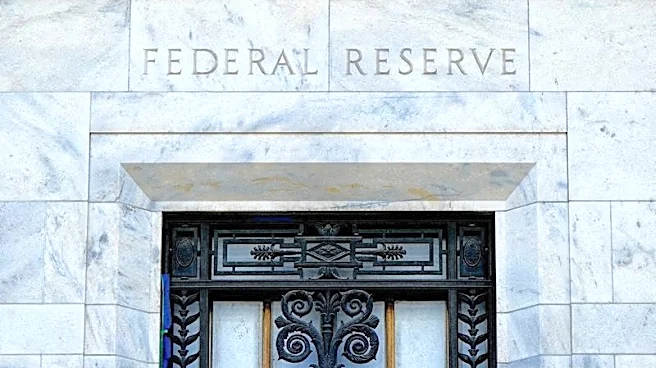
The expected increase in inflation highlights ongoing economic pressures that could influence Federal Reserve policy, particularly regarding interest rates. The rise in energy prices has a cascading effect on the economy, affecting transportation, manufacturing, and consumer goods. This situation underscores the complexity of managing economic stability amid global geopolitical tensions and domestic policy challenges. The persistent inflationary environment poses risks to consumer purchasing power and overall economic growth.
What's Next?
The release of the CPI data will likely prompt discussions among policymakers and economic analysts regarding potential measures to address inflation. The Federal Reserve may consider adjusting interest rates to mitigate inflationary pressures. Additionally, businesses and consumers will need to adapt to the ongoing economic environment, with potential implications for spending and investment decisions.