




What's Happening?
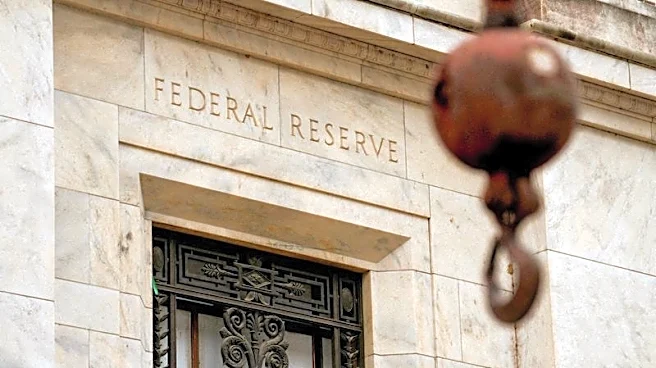
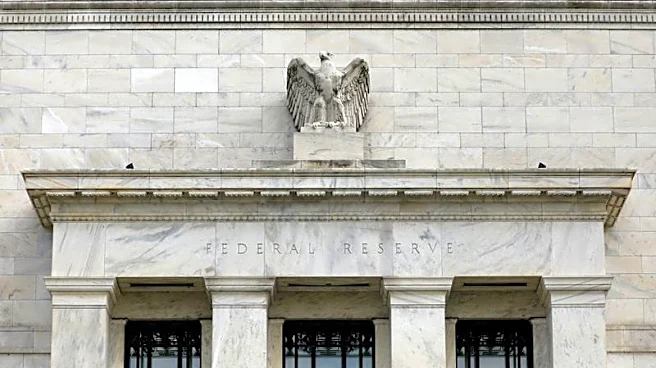
Jerome Powell concluded his tenure as Chair of the Federal Reserve with a meeting marked by significant dissent among committee members. The Federal Open Market Committee (FOMC) decided to hold interest rates steady, but the decision saw four dissenting
votes, the highest since 1992. This division reflects ongoing challenges faced by the Fed, including managing inflation amid global supply shocks such as the Iran war and oil price hikes. Powell, who will remain on the Fed as a governor, emphasized the importance of the Fed's independence and the need for decisions based on analysis rather than political influence. The transition to new leadership under Kevin Warsh comes at a time of heightened economic uncertainty.
Why It's Important?
The internal division within the Fed highlights the complexities of managing monetary policy in a volatile global environment. The differing views among FOMC members underscore the challenges of balancing inflation control with economic growth. Powell's departure marks a significant transition for the Fed, as it navigates ongoing economic pressures and geopolitical tensions. The Fed's decisions have far-reaching implications for the U.S. economy, affecting everything from interest rates to employment levels. The emphasis on maintaining the Fed's independence is crucial for ensuring that monetary policy decisions are made in the best interest of the economy, free from political pressures.
What's Next?
As Kevin Warsh steps into the role of Fed Chair, he will face the task of uniting a divided committee and addressing the ongoing economic challenges. The Fed's approach to interest rates and inflation will be closely watched by markets and policymakers. Warsh's leadership style and policy priorities will shape the Fed's direction in the coming years. The ongoing geopolitical tensions, particularly the Iran war, will continue to impact the Fed's decisions, as will domestic economic indicators. The Fed's ability to navigate these challenges will be critical in maintaining economic stability.