
What's Happening?
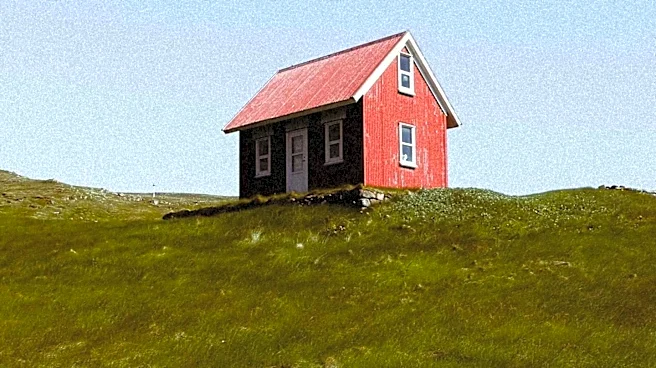
Robin Greenfield, a proponent of minimalism, has adopted an unconventional lifestyle by living in a tiny home without traditional plumbing or running water. He uses a compost toilet system, which involves
a wooden box with a toilet lid and a five-gallon bucket, to manage waste sustainably. Greenfield's lifestyle is characterized by a significant reduction in financial needs, living on less than $11,000 annually. He eliminates typical expenses such as rent and groceries by foraging for food and relying on community and resourcefulness. Despite the challenges, including harsh Wisconsin winters, Greenfield remains committed to his minimalist philosophy, which he shares with a broader community interested in sustainable living.
Why It's Important?
Greenfield's lifestyle challenges conventional consumer-driven living, highlighting the potential for significant financial savings and environmental benefits through minimalism. By living on a fraction of the federal poverty level, he demonstrates an alternative approach to meeting basic needs without reliance on traditional income. This lifestyle could inspire others to reconsider their consumption habits and explore sustainable living practices. The broader significance lies in its potential to influence societal norms around consumption, resource use, and environmental impact, encouraging a shift towards more sustainable and community-oriented living.
What's Next?
Greenfield plans to continue deepening his commitment to minimalism, potentially inspiring others to adopt similar practices. As interest in sustainable living grows, his lifestyle may gain more attention, prompting discussions on the feasibility and benefits of minimalism. Future developments could include increased public interest in off-grid living and sustainable practices, as well as potential collaborations with environmental organizations to promote minimalism as a viable lifestyle choice.
Beyond the Headlines
Greenfield's lifestyle raises ethical and cultural questions about modern consumption and the environmental impact of traditional living. It challenges societal norms and encourages a reevaluation of what constitutes a fulfilling life. The long-term implications could include a cultural shift towards valuing experiences and community over material possessions, potentially influencing future generations to prioritize sustainability and environmental stewardship.