


What's Happening?
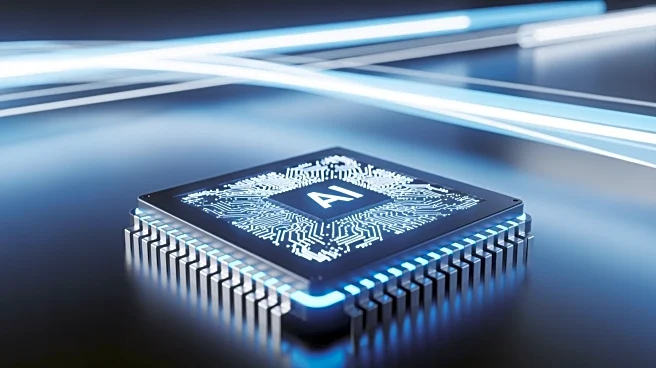
Tesla CEO Elon Musk announced that the company's Terafab project, aimed at producing artificial intelligence chips, is set to launch in seven days. This initiative is part of Tesla's strategy to enhance its autonomous driving systems, including the Full
Self-Driving software. The project involves the development of Tesla's fifth-generation AI chip, which is crucial for powering its autonomous ambitions. Musk has previously mentioned potential collaborations with companies like Intel, although no formal agreements have been made. Additionally, Tesla is partnering with Taiwan's TSMC and South Korea's Samsung for chip production. The need for a dedicated chip manufacturing facility, described by Musk as a 'gigantic chip fab,' stems from the insufficient supply of chips from current suppliers to meet Tesla's production demands.
Why It's Important?
The launch of Tesla's Terafab project is significant as it addresses the growing demand for AI chips essential for autonomous vehicle technology. By establishing its own chip manufacturing capabilities, Tesla aims to secure a stable supply of high-performance chips, reducing dependency on external suppliers. This move could enhance Tesla's competitive edge in the electric vehicle market, particularly in the autonomous driving sector. The development of advanced AI chips is crucial for improving the safety and efficiency of self-driving systems, potentially accelerating the adoption of autonomous vehicles. Furthermore, Tesla's partnerships with major semiconductor companies like TSMC and Samsung highlight the strategic importance of securing cutting-edge technology to maintain leadership in the industry.
What's Next?
As Tesla prepares to launch the Terafab project, the company may face challenges related to the construction and operation of a large-scale chip manufacturing facility. The success of this initiative could influence other automakers to consider similar strategies to ensure a reliable supply of AI chips. Additionally, the project may prompt discussions about the role of semiconductor manufacturing in the automotive industry, particularly as vehicles become increasingly reliant on advanced technology. Stakeholders, including investors and industry analysts, will likely monitor the project's progress and its impact on Tesla's production capabilities and market position.