
What's Happening?
Sierra Nevada Company (SNC) has announced a partnership with Northrop Grumman and General Atomics Aeronautical Systems Inc. to compete for the U.S. Navy's Undergraduate Jet Training System (UJTS) contract.
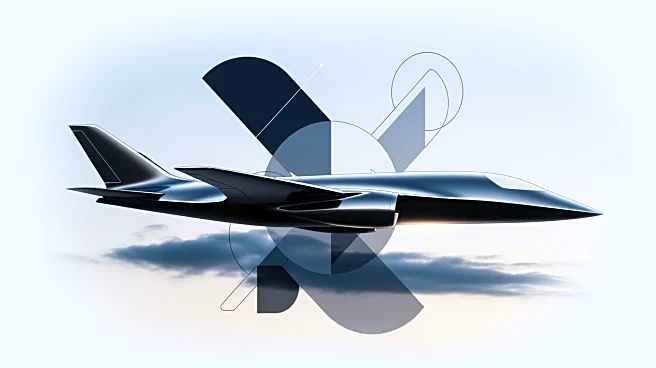
This collaboration aims to replace the aging T-45 Goshawk fleet with a new trainer aircraft, known as the Freedom Trainer. SNC, traditionally an integrator, will leverage the production capabilities of its partners to deliver a comprehensive training solution. Northrop Grumman brings extensive experience in aircraft production, while General Atomics contributes advanced manufacturing capabilities. The Freedom Trainer is a revival of a design previously pitched for the U.S. Air Force's T-X competition. The Navy plans to award the contract in 2027, with a fleet of 216 trainers expected.
Why It's Important?
This partnership is significant as it represents a strategic move by SNC to expand its role in military aviation training. By teaming up with Northrop Grumman and General Atomics, SNC aims to provide a robust training system that meets the Navy's evolving needs. The collaboration could enhance the competitiveness of the Freedom Trainer bid, potentially influencing the future of naval aviation training. The outcome of this competition will impact the U.S. defense industry, particularly in terms of manufacturing and technological innovation. The decision to not require carrier-representative landings in the new trainer could also set a precedent for future military training aircraft requirements.
What's Next?
The U.S. Navy is expected to make a decision on the UJTS contract by 2027. In the meantime, SNC and its partners will likely continue to refine their proposal and demonstrate the capabilities of the Freedom Trainer. The competition includes other major defense contractors such as Boeing, Lockheed Martin, and Beechcraft, each offering their own solutions. The Navy's final decision will depend on various factors, including cost, performance, and the ability to meet training requirements. The outcome will have long-term implications for the companies involved and the future of naval pilot training.