




What's Happening?
Executives from various industries are increasingly utilizing artificial intelligence (AI) to enhance operations in hospitals, factories, and semiconductor production. Dr. Prem Kumar Nair of IHH Group, Roger Lee of TAL Apparel, and Michael Mertin of AT&S
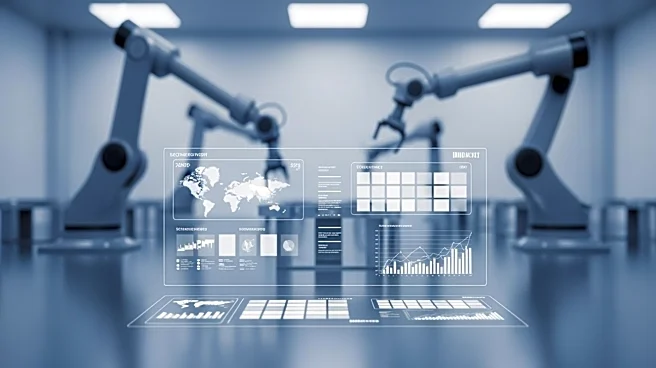
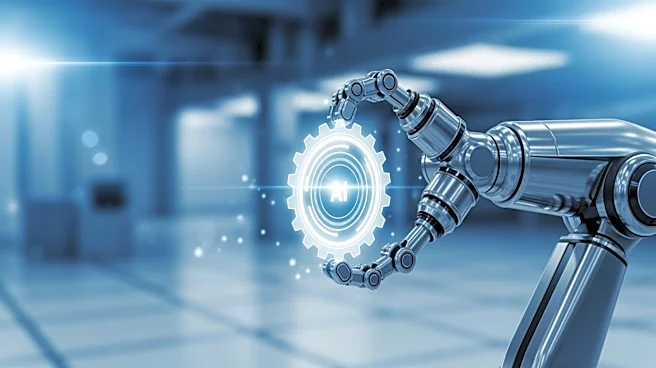
have highlighted how AI is being used to improve efficiency and productivity. In healthcare, AI is streamlining hospital operations, while in manufacturing, it is optimizing factory processes. In the semiconductor industry, AI is aiding in the precision and speed of chip production. These leaders emphasize that AI is not intended to replace human workers but to augment their capabilities, allowing for more efficient and effective operations across these sectors.
Why It's Important?
The integration of AI into these critical sectors signifies a transformative shift in how industries operate, potentially leading to significant economic and operational benefits. In healthcare, AI can lead to better patient outcomes and more efficient use of resources. In manufacturing, it can reduce costs and increase production speed, while in the semiconductor industry, it can enhance the precision and quality of chipmaking. This technological advancement could lead to increased competitiveness for companies that adopt AI, potentially reshaping industry standards and practices. However, it also raises questions about the future of work and the role of human labor in increasingly automated environments.
What's Next?
As AI continues to evolve, industries are likely to see further integration of these technologies into their operations. Companies may invest more in AI research and development to stay competitive, and there could be increased collaboration between AI developers and industry leaders to tailor AI solutions to specific needs. Regulatory bodies might also begin to establish guidelines to ensure ethical and fair use of AI in these sectors. The ongoing development of AI technologies will likely lead to new applications and innovations, further transforming industries and potentially leading to new business models and opportunities.