



What's Happening?
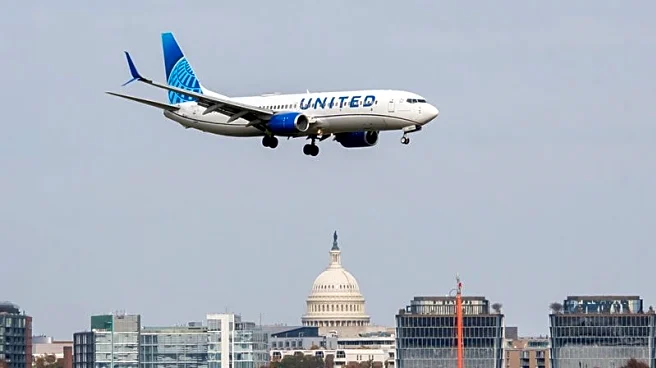
United Airlines is reducing its flight capacity by 5% in response to surging fuel costs, driven by geopolitical tensions in the Middle East. The airline's CEO, Scott Kirby, announced that the price of jet fuel has doubled since recent conflicts began,
significantly impacting operational expenses. United plans to suspend flights to less profitable destinations, including Tel Aviv and Dubai, as part of this capacity reduction. Despite these challenges, United remains committed to its long-term growth strategy, including the delivery of new aircraft. The airline anticipates restoring its full schedule by fall, assuming fuel prices stabilize.
Why It's Important?
United Airlines' decision to cut capacity highlights the broader impact of geopolitical events on the aviation industry. Rising fuel costs pose significant financial challenges for airlines, affecting profitability and operational strategies. This move reflects the need for airlines to adapt quickly to changing economic conditions while maintaining long-term growth plans. The capacity reduction may influence other airlines facing similar pressures, potentially leading to industry-wide adjustments. Stakeholders, including passengers, employees, and investors, will be affected by these changes, as airlines navigate the complexities of fluctuating fuel prices and geopolitical uncertainties.
What's Next?
United Airlines will monitor fuel prices and geopolitical developments closely, adjusting its operational strategies as needed. The airline's ability to manage these challenges will be crucial in maintaining its competitive position. Other airlines may follow suit, implementing similar capacity reductions or cost-saving measures. The aviation industry will continue to face uncertainties, requiring flexibility and strategic planning to navigate future challenges. Stakeholders will be watching for further announcements from United and other airlines regarding capacity adjustments and financial performance.