



What's Happening?
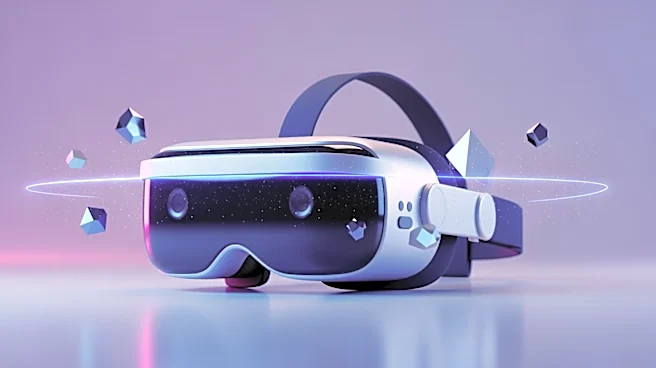
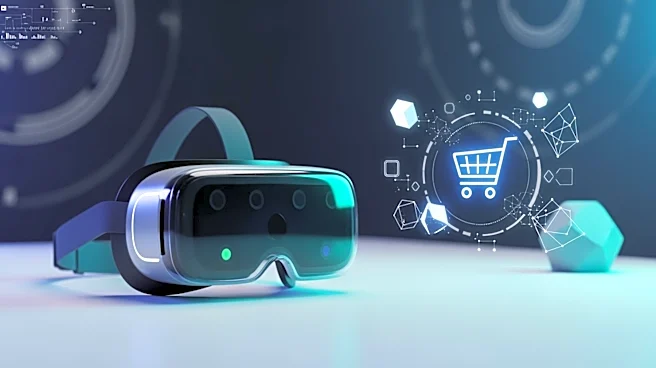
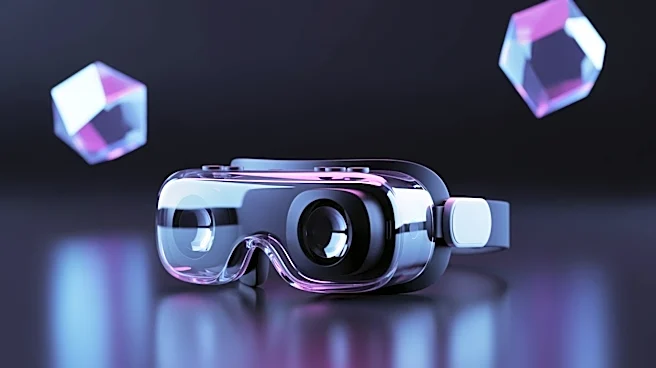
Amazon and various startups are actively exploring augmented reality (AR) technologies to enhance shopping experiences. Amazon is reportedly developing consumer AR glasses that integrate commerce, reviews, and AR overlays into physical retail environments.
This initiative aims to bridge the gap between online and in-store shopping, potentially transforming how consumers interact with products. Meanwhile, smaller AR startups are testing features like low-latency mapping and reliable passthrough, which could influence the broader industry if successful. These developments are part of a larger trend where tech companies and retail brands are moving towards AI-enabled lenses and prescription-capable displays, signaling a shift towards practical AR applications in everyday settings.
Why It's Important?
The integration of AR technologies in retail could significantly alter consumer shopping behaviors and expectations. By providing immersive and interactive experiences, AR can enhance customer engagement and satisfaction, potentially leading to increased sales and brand loyalty. For tech companies, successful AR implementations could open new revenue streams and solidify their positions in the competitive tech landscape. Retailers stand to benefit from improved customer insights and streamlined operations. However, the success of these technologies depends on overcoming technical challenges and achieving widespread consumer adoption. The collaboration between tech giants and startups is crucial in driving innovation and setting industry standards.
What's Next?
As AR technologies continue to develop, we can expect further collaborations between tech companies and retailers to refine and expand AR applications. Consumer feedback and market demand will likely shape the direction of future AR products. Additionally, regulatory considerations and privacy concerns will need to be addressed to ensure consumer trust and compliance. The next few years will be critical in determining which AR features gain traction and how they are integrated into mainstream retail environments.