







What's Happening?
General Motors (GM) has announced layoffs affecting between 500 and 600 salaried workers, primarily in information technology operations located in Texas and Michigan. This move is part of a broader trend among major U.S. automakers, including Ford and Stellantis,
which have collectively reduced over 20,000 white-collar jobs in recent years. The job cuts are largely attributed to the increasing integration of artificial intelligence (AI) in the automotive industry, which is reshaping workforce needs. GM is simultaneously hiring for AI-related positions and encouraging its current employees to adopt AI platforms to enhance productivity. The layoffs reflect a shift in focus towards AI-driven roles, as the company aims to streamline operations and adapt to technological advancements.
Why It's Important?
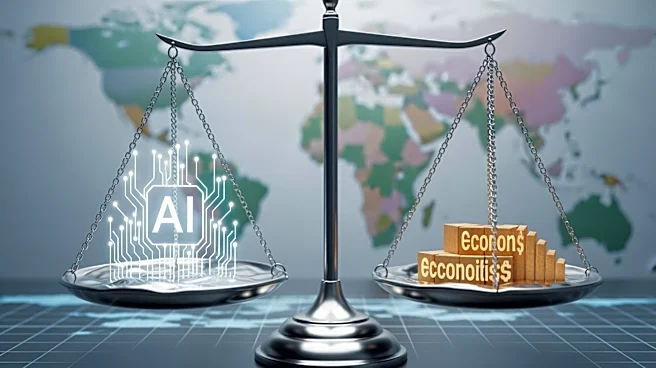
The layoffs at GM highlight a significant shift in the automotive industry towards AI and automation, which is expected to replace many traditional white-collar roles. This transition could lead to substantial changes in the job market, particularly affecting clerical and repetitive office jobs. While AI offers increased efficiency and productivity, it also poses a threat to existing employment structures, potentially leading to job displacement. However, the rise of AI-related roles and the focus on autonomous vehicles, cybersecurity, and software-defined vehicles may create new opportunities. The broader impact on the U.S. economy includes potential shifts in employment patterns and the need for workforce retraining to meet the demands of a technology-driven industry.
What's Next?
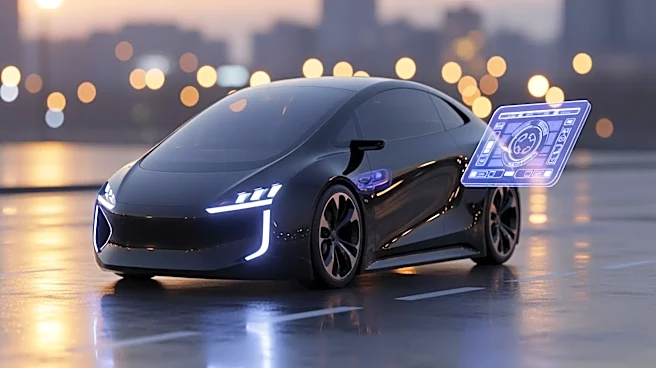
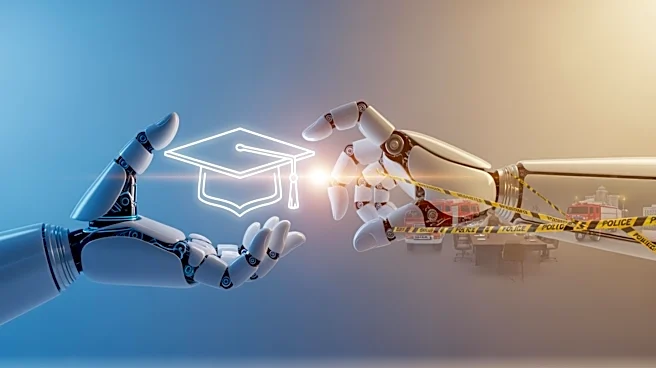
As GM and other automakers continue to integrate AI into their operations, further workforce adjustments are likely. The company may continue to reduce roles that can be automated while expanding its AI-related workforce. This trend could prompt other industries to follow suit, leading to a broader adoption of AI across various sectors. Policymakers and educational institutions may need to address the growing demand for AI skills and consider strategies for workforce retraining. The automotive industry will likely focus on developing new technologies and services, such as autonomous vehicles, which could redefine transportation and mobility in the coming years.