





What's Happening?
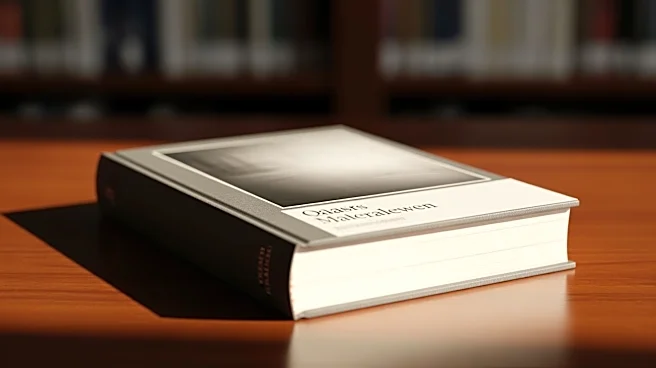
James Watson's book 'The Double Helix,' first published in 1968, is often hailed as one of the greatest science books due to its engaging narrative of the discovery of DNA's structure. However, it has also been criticized for its controversial portrayal
of events and individuals involved in the discovery. The book recounts Watson's collaboration with Francis Crick and their eventual success in identifying the double helix structure of DNA, with significant contributions from Rosalind Franklin and Maurice Wilkins. Critics argue that Watson's account is a blend of fact and fiction, often downplaying the contributions of others, particularly Franklin, and presenting a biased narrative. The book's tone and Watson's personal remarks have been described as distasteful and immature, reflecting the sexist attitudes of the time.
Why It's Important?
The significance of 'The Double Helix' lies in its impact on the public's understanding of scientific discovery and the personalities involved. While it has inspired many to pursue careers in science, the book also raises ethical questions about the portrayal of scientific collaboration and the recognition of contributions. The narrative has been criticized for perpetuating gender biases and misrepresenting the collaborative nature of scientific research. This has implications for how scientific history is recorded and remembered, highlighting the need for accurate and inclusive accounts that recognize the contributions of all individuals involved.
What's Next?
The ongoing discussion around 'The Double Helix' may lead to a reevaluation of how scientific achievements are documented and celebrated. Scholars and historians may continue to explore alternative narratives that provide a more balanced view of the events and individuals involved in the discovery of DNA's structure. This could influence future publications and educational materials, ensuring that they reflect a more accurate and inclusive history of scientific discovery.
Beyond the Headlines
Beyond its immediate impact, 'The Double Helix' serves as a case study in the ethics of scientific storytelling. It raises questions about the responsibilities of scientists as authors and the potential consequences of their narratives on public perception and historical record. The book's portrayal of gender dynamics and scientific rivalry also offers insights into the cultural and social context of the time, prompting reflection on how these issues have evolved and continue to affect the scientific community today.