

What's Happening?
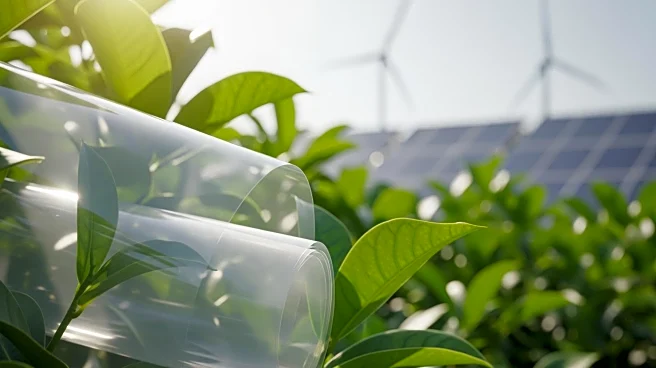
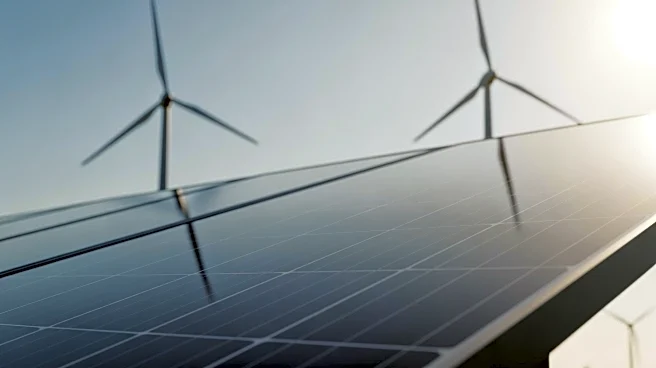
DuPont has announced that its Tedlar® polyvinyl fluoride (PVF) film manufacturing operations are now fully powered by renewable electricity. This transition was achieved through the purchase of Renewable Energy Certificates (RECs), which represent electricity generated
from renewable resources such as wind and solar. By matching its annual electricity consumption of approximately 42,000 megawatt-hours with RECs, DuPont is offsetting emissions associated with conventional grid electricity. This initiative is part of DuPont's broader sustainability goals, aiming for net-zero carbon emissions by 2050. The use of renewable electricity in manufacturing Tedlar® films, which are non-PFAS and produced without harmful substances, enhances the environmental profile of these materials.
Why It's Important?
This development is significant as it demonstrates DuPont's commitment to sustainability and reducing its carbon footprint. By transitioning to renewable electricity, DuPont is not only reducing its Scope 2 greenhouse gas emissions but also setting a precedent for other industrial companies to follow. The move supports DuPont's long-term sustainability goals and aligns with global efforts to combat climate change. Additionally, the use of renewable energy in manufacturing processes can lead to cost savings and improved brand reputation, potentially attracting environmentally conscious consumers and investors.
What's Next?
DuPont plans to continue its decarbonization efforts by improving energy efficiency in manufacturing processes and investing in on-site renewable energy generation. The company is also expanding its procurement of renewable electricity through strategic agreements. These initiatives are expected to further reduce DuPont's carbon footprint and support its goal of achieving net-zero emissions by 2050. As DuPont progresses in its sustainability journey, it may influence other companies in the industry to adopt similar practices, contributing to a broader shift towards renewable energy in manufacturing.