





What's Happening?
The digital agriculture market is projected to experience substantial growth, reaching a valuation of $29.82 billion by 2030. This expansion is driven by a compound annual growth rate (CAGR) of 13.1%. Key factors contributing to this growth include the
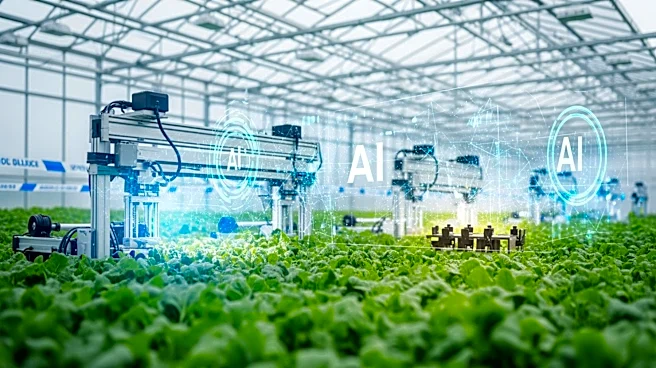
push for sustainable farming methods, adaptation to climate change, and the adoption of smart farming technologies. The market is also supported by government initiatives promoting digital agriculture. Notable trends in the sector include precision farming technologies, AI-driven crop monitoring systems, and smart irrigation solutions. Prominent companies such as Microsoft Corporation, IBM Corporation, and Bayer AG are leading the charge in this transformation. Additionally, strategic acquisitions, like ISAGRI SAS's purchase of Sencrop, are enhancing market positions by integrating advanced precision farming technologies.
Why It's Important?
The growth of the digital agriculture market is significant for several reasons. It represents a shift towards more efficient and sustainable farming practices, which are crucial in addressing global food security and environmental challenges. The integration of digital technologies in agriculture can lead to increased productivity, reduced resource consumption, and better management of environmental impacts. This transformation is likely to benefit farmers by providing them with tools to optimize crop yields and manage resources more effectively. Moreover, the involvement of major technology companies indicates a strong investment in the sector, which could lead to further innovations and advancements in agricultural practices.
What's Next?
As the digital agriculture market continues to grow, further advancements in technology and increased adoption of digital tools are expected. Companies may continue to invest in research and development to enhance their offerings and maintain competitive advantages. Governments may also increase support for digital agriculture initiatives, providing funding and resources to encourage adoption among farmers. Additionally, collaborations between technology firms and agricultural stakeholders could lead to the development of new solutions tailored to specific farming needs. The ongoing evolution of this market will likely have a lasting impact on the agricultural industry, shaping the future of farming practices globally.