

What's Happening?
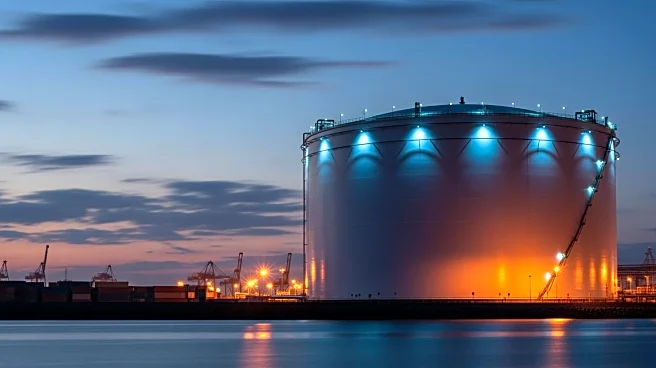
The global energy landscape is experiencing a significant shift as disruptions in LNG flows from the Middle East are tightening global supply. This development is occurring as demand remains high across Asia and Europe. The constraints on Qatar's export
capacity have led to a sharper reaction in gas markets compared to oil, highlighting the world's dependency on a limited number of LNG hubs. As a result, shares of major Western LNG exporters have risen as buyers seek alternative supplies, redirecting demand towards U.S. and European-linked producers. However, the adjustment is not seamless, with geopolitical instability potentially delaying new U.S. export projects. The situation is further complicated by structural challenges in global gas supply, such as Bolivia's potential need to import gas within the next five to six years due to declining production and rising consumption.
Why It's Important?
The current LNG supply strain underscores the vulnerability of global energy markets to geopolitical disruptions. The rapid tightening of gas markets, compared to oil, is significant because LNG supply chains are less flexible and more susceptible to disruption due to their reliance on specialized infrastructure. This situation is causing real-time pressure on economies, particularly those reliant on imports, as price spikes in LNG markets can directly impact power costs, industrial activity, and inflation. For policymakers and investors, the crisis highlights the importance of energy security, not just in terms of supply, but also in terms of access when and where it is needed. The ongoing competition for available LNG underscores the critical nature of securing stable energy sources in a volatile market.
What's Next?
The geopolitical instability in the Middle East and its impact on LNG supply chains may lead to delays in new U.S. export projects, as uncertainty around shipping routes, financing, and long-term demand complicates investment decisions. Major importers are likely to continue seeking alternative supplies to stabilize their gas positions, as seen with South Korea. The situation may prompt policymakers to reassess energy security strategies and consider diversifying energy sources to mitigate future disruptions. Additionally, the structural challenges in global gas supply may drive resource-rich countries like Bolivia to reevaluate their energy policies to address declining production and rising domestic demand.