



What's Happening?
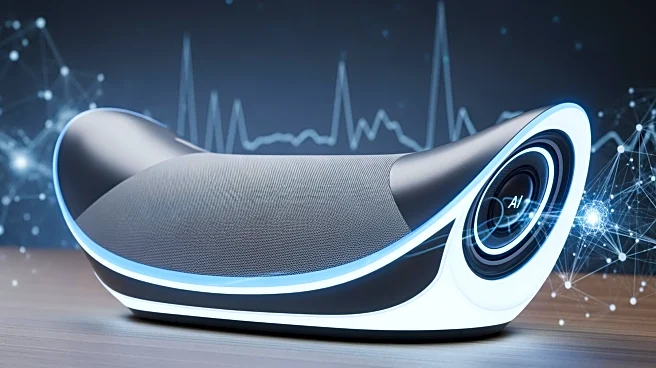
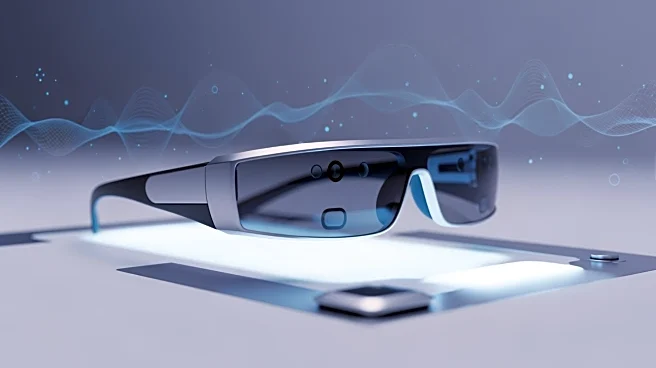
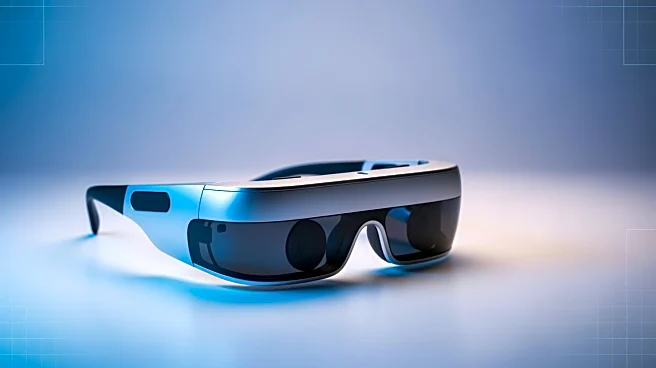
Major technology companies are intensifying their efforts to bring augmented reality (AR) devices to the consumer market by 2026. According to reports from Bloomberg and Reuters, companies like Apple, Google, and Snap are making significant strides in developing AR glasses and other wearable technology. Apple is reportedly focusing on creating a premium ecosystem with its AR glasses, pendant camera, and AirPods enhancements, aiming for seamless integration with iPhones and AI features. Google is advancing its Gemini glasses, which are expected to incorporate AI assistants into wearable technology. Snap has established a dedicated unit, Specs Inc., to push its AR glasses into the consumer market, challenging traditional headset manufacturers.
Additionally, companies like Meta and OpenAI are exploring mixed-reality devices and software-driven AR solutions, respectively, indicating a competitive landscape for AR technology.
Why It's Important?
The push towards consumer-ready AR devices signifies a potential shift in how technology is integrated into daily life and business operations. For consumers, these devices promise to enhance everyday tasks by providing real-time information and interactive experiences directly in their field of view. For businesses, especially those in retail, entertainment, and enterprise sectors, AR technology could revolutionize customer engagement and operational efficiency. The development of these devices also highlights the growing importance of AI in enhancing user experiences, as companies aim to create intuitive and seamless interactions. The competition among tech giants to dominate the AR market could lead to rapid advancements and more affordable options for consumers, potentially making AR a mainstream technology.
What's Next?
As these companies continue to develop their AR technologies, the next steps will likely involve extensive testing and refinement to ensure user-friendly and reliable products. Consumer feedback will be crucial in shaping the final iterations of these devices. Additionally, regulatory considerations and privacy concerns related to AR technology will need to be addressed. The market's response to initial releases will determine the pace of adoption and further innovation. Companies may also explore partnerships with software developers to expand the functionality and appeal of their AR devices.