
What's Happening?
InPost, a leading locker-based delivery provider, reported record parcel volumes in the UK for the fourth quarter of 2025. The company handled 92.6 million parcels in the UK during this period, more than
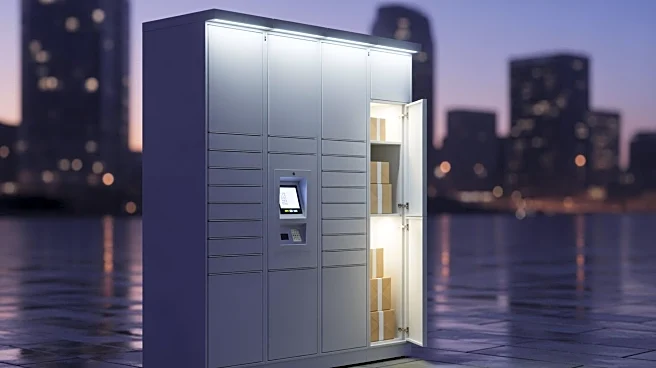
tripling its year-on-year volumes. This growth was supported by the integration of Yodel and the expansion of InPost's out-of-home delivery network, which now includes over 19,200 points nationwide. The company's network density has increased, reducing utilization below 90% and allowing for further growth. InPost's success highlights the growing consumer demand for flexible, out-of-home delivery options, as online retailers increasingly rely on locker-based solutions to manage peak periods and address challenges in home delivery networks.
Why It's Important?
The surge in parcel volumes and the expansion of InPost's locker network reflect a significant shift in consumer behavior towards more flexible delivery options. For UK ecommerce retailers, this trend offers an opportunity to enhance their delivery offerings and improve customer satisfaction. The integration of Yodel and the transition to a single UK network are expected to improve reliability, scalability, and pricing competitiveness for merchants. As locker capacity grows and utilization stabilizes, retailers can offer more sustainable and convenient delivery options without compromising speed or resilience during peak seasons. This development underscores the importance of adapting to changing consumer preferences in the competitive ecommerce landscape.
What's Next?
InPost is likely to continue expanding its locker network and enhancing its operational efficiency to meet the growing demand for out-of-home delivery solutions. The company's focus on integrating its UK operations and improving network density will be crucial in maintaining its competitive edge. For online retailers, the increasing adoption of locker-based delivery options may lead to a reevaluation of their logistics strategies to capitalize on the benefits of this delivery model. As consumer expectations evolve, retailers will need to prioritize convenience and sustainability in their delivery offerings to remain competitive.