






What's Happening?
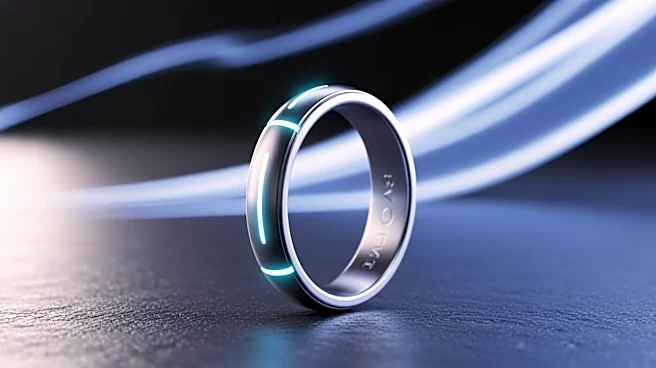
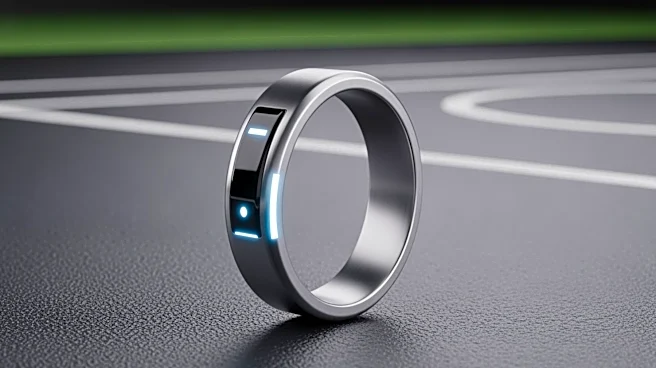
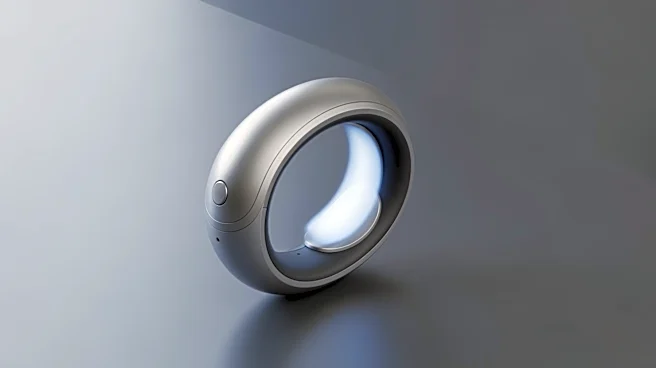
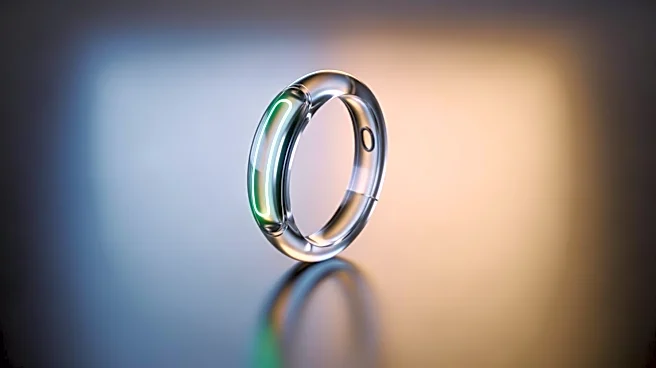
The Oura Ring 5 has been launched, offering a smaller and lighter design compared to its predecessor, the Oura Ring 4. The new model is 40% smaller, making it more comfortable and aesthetically pleasing. It is designed to blend in with regular jewelry,
addressing previous concerns about bulkiness. The Ring 5 also boasts improved battery life, lasting between six to nine days, and comes in fewer sizes due to manufacturing challenges. It is available in six finishes, with some priced higher due to premium materials. The launch includes new software features like Blood Pressure Signals and Nighttime Breathing, set to be available later this month.
Why It's Important?
The introduction of the Oura Ring 5 signifies a significant advancement in wearable technology, particularly in the smart ring market. Its smaller size and improved comfort could attract a broader audience, including those previously deterred by the bulkiness of smart rings. The enhanced battery life and new features may appeal to health-conscious consumers seeking reliable and discreet health monitoring tools. This launch could intensify competition in the wearable tech industry, prompting other companies to innovate and improve their offerings to maintain market share.
What's Next?
As the Oura Ring 5 enters the market, consumer feedback will likely influence future iterations and updates. The company may consider expanding size options if demand for discontinued sizes increases. Additionally, the success of the new software features could lead to further developments in health monitoring capabilities. Competitors may respond by enhancing their products, potentially leading to a wave of innovation in the smart ring sector.
Beyond the Headlines
The Oura Ring 5's launch highlights the growing trend of integrating technology into everyday accessories, reflecting a shift towards more seamless and unobtrusive health monitoring solutions. This trend could lead to broader acceptance and adoption of wearable technology, influencing lifestyle and fashion industries. The focus on aesthetics and comfort suggests a move towards making technology more user-friendly and accessible, potentially expanding the market for wearable devices.