




What's Happening?
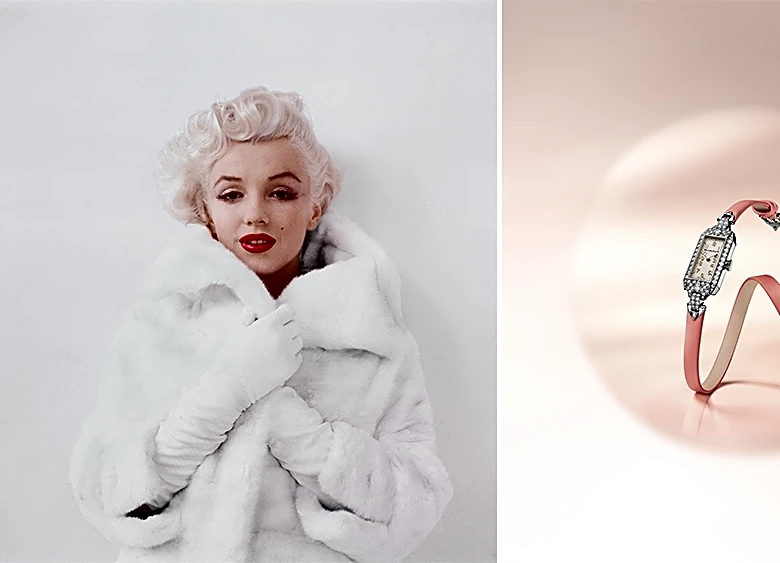
As Marilyn Monroe's 100th birthday approaches, there is a renewed focus on the commercialization of her image. Monroe, who passed away in 1962, left her estate to her acting coach, Lee Strasberg, whose wife later sold the rights to Authentic Brands Group.
This company actively licenses Monroe's image, leading to a proliferation of products, particularly beauty items, that capitalize on her iconic status. Currently, several brands are participating in partnerships to commemorate her centennial, including beauty brands like Color Street, Ipsy, Shark, and Lisa Eldridge. These collaborations highlight Monroe's enduring influence on beauty standards and cultural aesthetics, despite the ethical questions surrounding the commodification of her image.
Why It's Important?
The commercialization of Marilyn Monroe's image raises significant ethical questions about the exploitation of deceased celebrities. While Monroe's estate legally permits the use of her likeness, the moral implications of profiting from her tragic life and death are debated. This situation reflects broader issues in the entertainment industry regarding the rights of deceased individuals and the control over their legacy. The ongoing use of Monroe's image underscores the powerful impact of celebrity culture on consumer behavior and the beauty industry, where her influence remains strong decades after her passing.
What's Next?
As Monroe's 100th birthday is marked by various commercial ventures, it is likely that discussions about the ethical use of her image will continue. Stakeholders, including brands and consumers, may need to consider the implications of using Monroe's likeness in marketing. This could lead to increased scrutiny of how deceased celebrities are represented and the potential need for more stringent regulations governing their posthumous image rights. The debate may also influence how future estates manage the legacy of other iconic figures.
Beyond the Headlines
The exploitation of Marilyn Monroe's image highlights deeper cultural issues regarding the commodification of beauty and celebrity. Monroe's tragic life story and her status as a beauty icon have been leveraged to sell products, raising questions about societal values and the treatment of women in the public eye. This phenomenon reflects a broader trend of using celebrity images to evoke nostalgia and influence consumer choices, which can perpetuate unrealistic beauty standards and affect cultural perceptions of femininity and success.