


What's Happening?
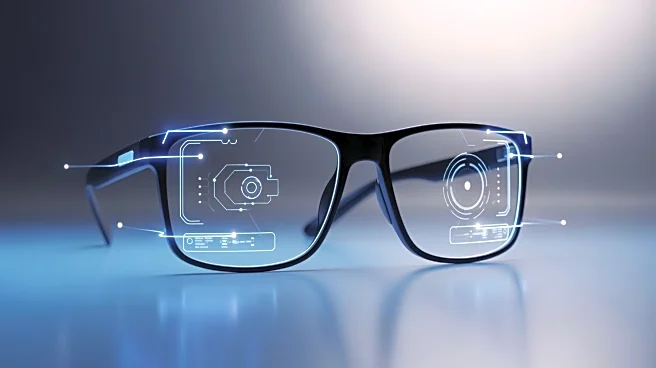
In 2026, several key augmented reality (AR) trends are poised to reshape the strategies of major tech companies. Notable developments include Warby Parker and Google's collaboration on AI-powered smart glasses, Snap's rollout of consumer 'Specs' for social AR experiences, and Meta's focus on developing eye-worn prototypes. These initiatives highlight a shift from AR as a niche technology to a mainstream consumer product. Companies are racing to integrate AR into everyday devices, with a focus on hardware availability, app ecosystems, and retail distribution. This year is expected to see a surge in AR product launches and platform developments, driven by consumer demand and technological advancements.
Why It's Important?
The advancements in AR technology have significant
implications for both consumers and tech companies. For consumers, the increased availability of AR devices could transform daily interactions with technology, offering new ways to engage with digital content. For tech companies, the race to develop and market AR products presents opportunities for growth and innovation. Companies that successfully integrate AR into their product lines could gain a competitive edge, attracting new customers and expanding their market share. The focus on AR also underscores the importance of partnerships between tech companies and retailers in bringing new technologies to market.
What's Next?
As AR technology continues to evolve, companies will likely focus on improving hardware comfort, battery life, and app support to enhance user experiences. The success of AR products will depend on their ability to seamlessly integrate into consumers' daily lives. Tech companies may also explore new applications for AR, such as in education, healthcare, and entertainment, to broaden the technology's appeal. The competitive landscape is expected to intensify as more companies enter the AR space, driving further innovation and potentially leading to lower prices for consumers.