

What's Happening?
Southwest Airlines has undergone significant changes in its operations, affecting its long-standing policies that were popular among frequent flyers. The airline has introduced assigned seating, new fees, and tiered perks as part of a strategy to increase
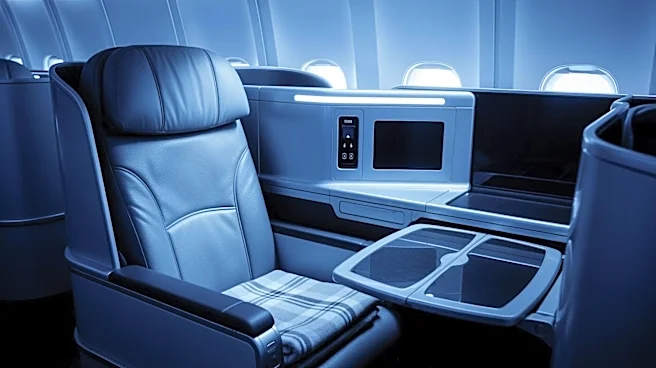
revenue following financial struggles post-pandemic. These changes have led to dissatisfaction among loyal customers who appreciated the airline's simplicity and free services. A-List status, one of Southwest's elite loyalty tiers, now offers benefits such as better boarding groups, free checked bags, and premium seat reservations. These perks are accessible through flying or via the airline's co-branded credit card, providing a more streamlined experience for those with A-List status.
Why It's Important?
The revamp of Southwest Airlines' loyalty program is significant as it reflects broader trends in the airline industry where companies are seeking to monetize more aspects of the flying experience. This shift could impact customer loyalty, especially among those who valued Southwest's previous policies of free checked bags and flexible ticketing. The introduction of tiered perks may attract new customers who are willing to pay for enhanced services, but it could also alienate long-time patrons who preferred the old model. The changes are indicative of the airline's efforts to recover financially and compete with other carriers that offer similar loyalty programs.
What's Next?
As Southwest Airlines continues to implement these changes, it is likely that customer feedback will play a crucial role in shaping future policies. The airline may need to balance its revenue goals with maintaining customer satisfaction to avoid losing its loyal base. Additionally, competitors may respond by adjusting their own loyalty programs to attract disenchanted Southwest customers. The success of these changes will depend on how well Southwest can adapt to the evolving demands of travelers while ensuring profitability.