


What's Happening?
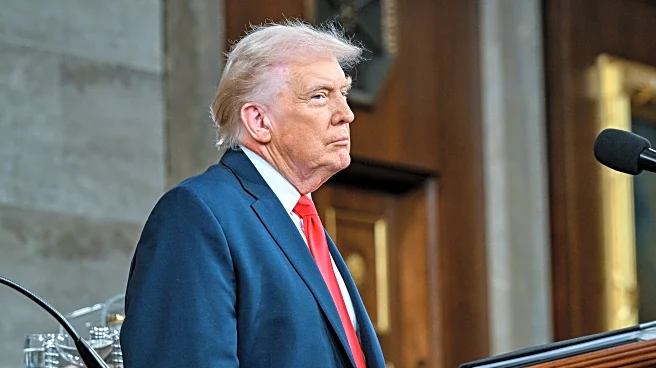
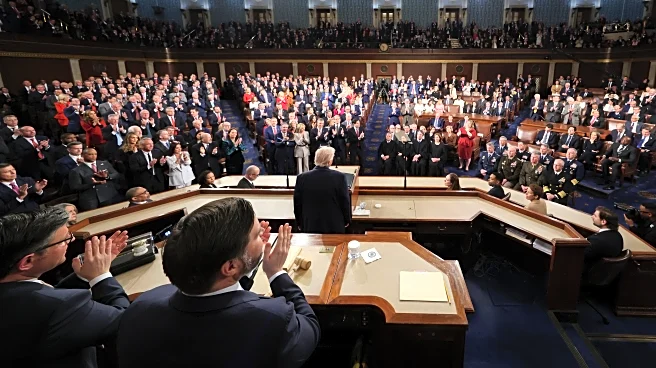
In his State of the Union address, President Donald Trump proposed a new retirement benefit for private sector workers, aiming to extend the same type of retirement plan available to federal employees. The proposal includes a government match of up to $1,000
annually for eligible workers. This initiative targets the 54 million private sector workers without workplace retirement benefits, addressing what some experts term a 'retirement crisis' in America. The proposal is part of Trump's broader economic policy to enhance the federal retirement safety net.
Why It's Important?
The proposed retirement benefit reflects a significant policy shift aimed at improving retirement security for millions of American workers. By providing a government-backed savings option, the initiative seeks to address disparities in retirement benefits and promote financial inclusion. However, the proposal faces challenges, including legal and logistical hurdles, as the administration lacks the authority to unilaterally implement such a program. The success of the initiative will depend on legislative support and public participation, as well as its impact on retirement savings and economic inequality.
What's Next?
The administration will likely pursue legislative action to facilitate the implementation of the proposed retirement benefit. This may involve collaboration with Congress to secure funding and establish the necessary infrastructure for account management and enrollment. The proposal's success will also depend on its reception by employers and workers, as well as its ability to address the broader retirement crisis. Ongoing discussions and negotiations will shape the future of retirement policy in the U.S., with potential implications for economic stability and workforce planning.