





What's Happening?
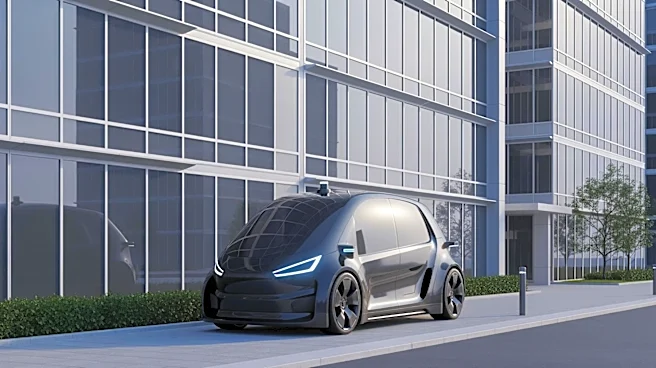
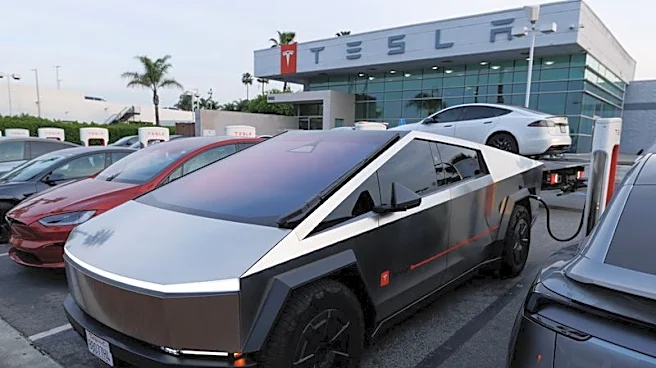
Tesla has commenced production of its self-driving Cybercab robotaxi at its Gigafactory in Austin, Texas. This development marks a significant step in Tesla's strategy to transform into a broader tech firm focused on artificial intelligence and robotics.
The Cybercab, designed without a steering wheel or pedals, is part of Tesla's long-term vision to produce 2 million units annually. However, the initial production scale remains undisclosed. Tesla plans to expand its robotaxi operations to new markets, including Phoenix, Miami, and Las Vegas, contingent on regulatory responses to self-driving vehicles.
Why It's Important?
The production of the Cybercab represents a pivotal moment for Tesla as it seeks to diversify beyond electric vehicles into autonomous transportation. This move could significantly impact the automotive industry by accelerating the adoption of self-driving technology. For Tesla, the success of the Cybercab is crucial to its financial turnaround, especially as it faces challenges with declining electric car sales. The expansion of robotaxi services could also influence urban transportation, potentially reducing the need for personal vehicle ownership and altering city infrastructure planning.
What's Next?
Tesla's ability to scale its Cybercab production and expand operations will largely depend on regulatory approvals for autonomous vehicles. The company may face scrutiny from safety regulators, which could delay broader deployment. Additionally, Tesla's financial performance will be closely watched as it increases capital expenditures to support its futuristic projects. The market's response to the Cybercab's performance and safety will be critical in determining the viability of Tesla's autonomous vehicle strategy.