







What's Happening?
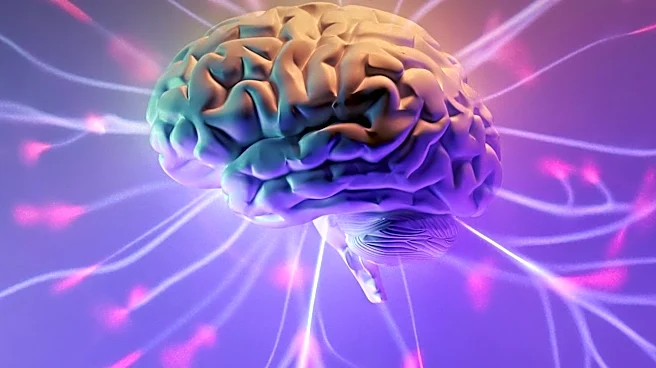
Psychedelic-assisted therapy (PAT) is gaining traction as a transformative approach to mental health treatment, with counselors using innovative techniques to guide clients through intense psychedelic experiences. These counselors, unlike untrained 'trip
sitters,' hold formal qualifications and receive specialized training to facilitate therapeutic journeys using substances like ketamine and psilocybin. Techniques employed by PAT counselors include physical support, such as simulating ground contact or holding hands, to help clients navigate challenging moments, especially when re-experiencing trauma. The practice is designed to provide profound insights and emotional breakthroughs, helping clients process psychological barriers. The demand for PAT is increasing as more states legalize substances like psilocybin, and research continues to support the benefits of psychedelics in treating conditions such as PTSD, depression, and addiction.
Why It's Important?
The rise of psychedelic-assisted therapy represents a significant shift in mental health treatment, offering new hope for individuals with treatment-resistant conditions. By providing a structured and supportive environment, PAT counselors help clients achieve breakthroughs that traditional therapies may not facilitate. This approach could revolutionize mental health care by integrating psychedelics into mainstream treatment options, potentially reducing stigma and increasing accessibility. The growing acceptance and legalization of psychedelics in various states further underscore the potential for these therapies to become a standard part of mental health care, benefiting a wide range of individuals seeking alternative treatments.
What's Next?
As the field of psychedelic-assisted therapy expands, more counselors are expected to receive training and certification to meet the increasing demand. The continued legalization of substances like psilocybin will likely lead to broader acceptance and integration of PAT into conventional mental health practices. Ongoing research will be crucial in understanding the full potential and limitations of psychedelics in therapy, guiding policy decisions and public perception. Additionally, efforts to reduce cultural stigma and educate the public about the therapeutic benefits of psychedelics will play a vital role in the future of this emerging field.
Beyond the Headlines
The integration of psychedelics into mental health treatment raises important ethical and legal considerations, particularly regarding regulation and safety standards. As more individuals seek out these therapies, ensuring that practitioners are adequately trained and that treatments are conducted safely will be paramount. The cultural shift towards accepting psychedelics as legitimate therapeutic tools also reflects broader changes in societal attitudes towards mental health and alternative medicine, potentially leading to more holistic and personalized approaches to care.