

What's Happening?
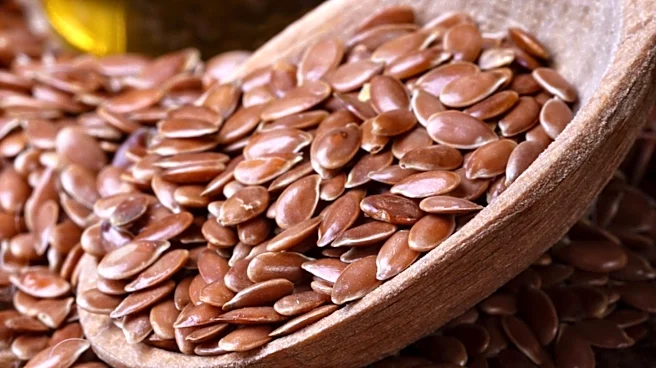
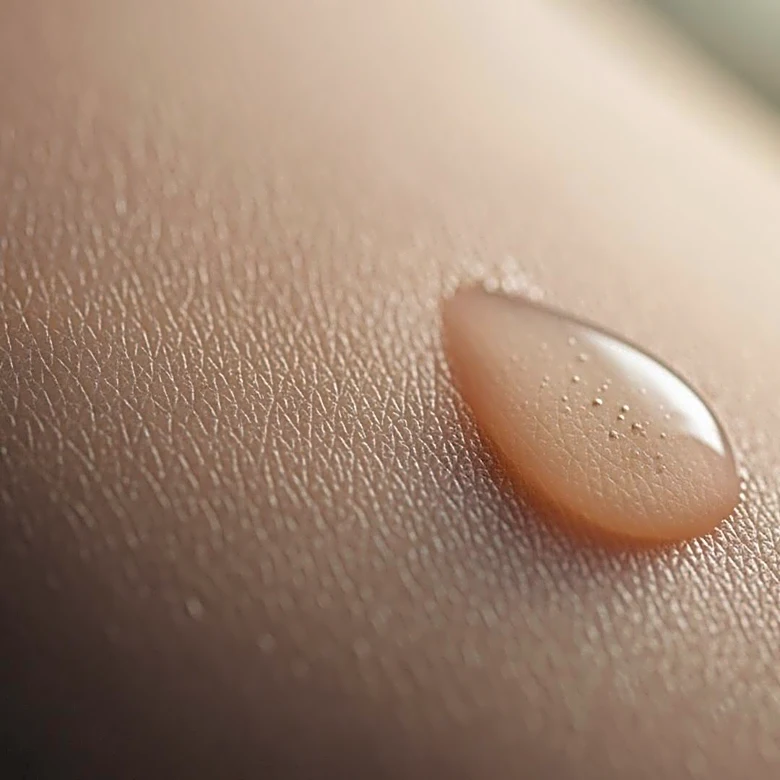
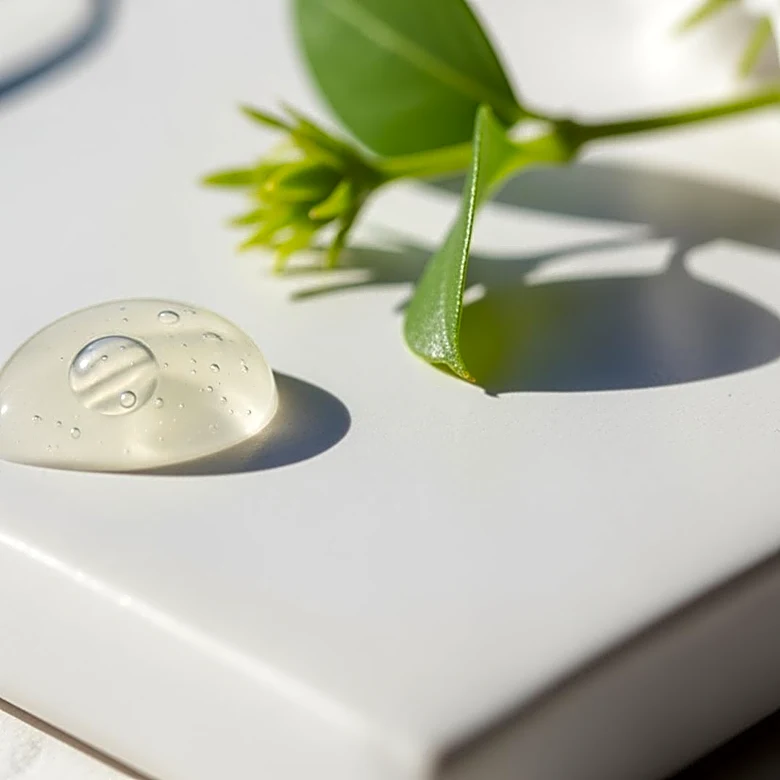
A recent trend on TikTok has popularized the use of homemade flaxseed gel as a natural alternative to Botox, claiming it can reduce wrinkles and fine lines. Users on the platform have been sharing videos of themselves applying the gel, made from flaxseeds
soaked in boiling water, to their faces. However, medical experts, including Dr. Jennifer Ashton, ABC News chief medical correspondent, have debunked these claims, stating that flaxseed gel does not possess the same properties or effects as Botox. Dr. Ashton emphasized that while flaxseeds are beneficial when ingested due to their omega and fiber content, their topical application does not mimic the neuromodulating effects of Botox, which is used to temporarily paralyze muscles to smooth wrinkles.
Why It's Important?
The debunking of this trend highlights the broader issue of misinformation on social media platforms, where unverified health and beauty advice can spread rapidly. This situation underscores the importance of consulting credible medical sources rather than relying on viral trends for health-related decisions. The potential risks of following such trends include skin irritation or allergic reactions, as noted by Dr. Ashton. The trend also reflects a societal desire for natural beauty solutions, which can sometimes lead to the adoption of ineffective or unsafe practices. This incident serves as a reminder of the need for critical evaluation of health claims made on social media.
What's Next?
As the trend continues to circulate on TikTok, it is likely that more medical professionals will speak out to educate the public on the importance of evidence-based practices in skincare. Social media platforms may also face increased pressure to regulate health-related content to prevent the spread of misinformation. Users are encouraged to seek advice from qualified professionals and to be cautious of adopting unverified beauty treatments. The conversation around this trend may also lead to a broader discussion on the role of social media in shaping public perceptions of health and beauty.
Beyond the Headlines
This trend highlights a cultural fascination with DIY beauty solutions and the allure of 'natural' alternatives to cosmetic procedures. It also raises ethical questions about the responsibility of influencers and content creators in promoting health-related advice. The incident may prompt discussions on the need for better regulation and oversight of health information shared on social media platforms. Additionally, it underscores the potential for social media to influence consumer behavior and the importance of digital literacy in discerning credible information.